Conditions We Treat

Conditions We Treat

Sjogrens

Home Sjogrens Request an Appointment Overview Sjögren’s syndrome is a chronic, systemic autoimmune disease characterized by immune-mediated destruction of the exocrine glands, primarily the salivary and lacrimal (tear) glands. This leads to dry mouth (xerostomia) and dry eyes (keratoconjunctivitis sicca) as hallmark symptoms. However, Sjögren’s is not limited to glandular tissue, it is a multi-system immune disorder capable of affecting the joints, skin, liver, lungs, kidneys, nervous system, and hematologic systems.The underlying pathophysiology involves lymphocytic infiltration of exocrine glands and the production of autoantibodies. Persistent inflammation causes glandular dysfunction, atrophy, and fibrosis, reducing mucus and fluid secretion across mucosal surfaces.It can occur on its own (Primary Sjögren’s) or in association with other autoimmune diseases, most commonly rheumatoid arthritis and systemic lupus erythematosus (Secondary Sjögren’s). Common Symptoms Glandular (Sicca) Symptoms → Dry eyes (burning, gritty sensation, blurred vision)→ Dry mouth (difficulty swallowing, dental decay, oral infections)→ Parotid and salivary gland swelling Systemic / Extraglandular Features → Debilitating fatigue→ Symmetric joint pain or mild inflammatory arthritis→ Vasculitis, Raynaud’s phenomenon→ Pulmonary involvement (interstitial lung disease)→ Renal tubular acidosis or nephritis→ Neuropathy (peripheral or small-fiber)→ Autonomic dysfunction→ Skin dryness, pruritus Because mucus and secretions protect tissues, dryness increases susceptibility to: → Cavities and periodontal disease→ Chronic sinus and respiratory infections→ Difficulty speaking and eating Root Causes & Triggers 01. INFECTIONS → EBV→ Hep C→ CMV→ Lyme (borrelia) 02. TOXINS → heavy metals● mercury, cadmium, nickel, chromium → air pollution → silica dust exposure→ trichloroethylene 03. CIRCADIAN → abnormal expression of circadian genes→ melatonin dysregulation 04. TRAUMA “I must not cry,” or “I won’t give satisfaction to my mother.” Our Approach Our approach understands that Sjogren’s is the body’s intelligent response to chronic dysregulation across the Four Pillars: circadian disruption, toxic burden, unresolved infections, and unprocessed trauma. Effective treatment begins by identifying which of these key levers are most disrupted in your biology and unique health story using functional blood analysis, specific immune testing, Bioresoance and Autonomic Response Testing. Once we uncover your unique levers we work in sequence to systematically bring the body back into a state of healing. We first restore circadian rhythm integrity to recalibrate hormonal, mitochondrial, and immune timing. We then open the drainage pathways to ensure the body can safely eliminate what has been overwhelming it. From there, we reduce toxic burden, systematically address stealth infections in the correct order and resolve the trauma patterns that keep the nervous system locked in defense mode. Autoimmunity heals when the terrain heals. The goal is not immune suppression, but restoration creating an internal environment where inflammation is no longer required and the immune system can finally return to balance, clarity, and trust. References Kharrazian D. Exposure to Environmental Toxins and Autoimmune Conditions. Integr Med (Encinitas). 2021 Apr;20(2):20-24. Joseph P Reiss et al. Environmental triggers of Sjogrens Disease, another piece of the puzzle. J Diabetes Metab Ma KS, Wang LT, Chong W, Lin CL, Li H, Chen A, Wei JC. Exposure to environmental air pollutants as a risk factor for primary Sjögren’s syndrome. Front Immunol. 2023 Feb 14;13:1044462. Utomo SW, Putri JF. Infections as Risk Factor of Sjögren’s Syndrome. Open Access Rheumatol. 2020;12:257-266 Barcelos, F., Martins, C., Monteiro, R. et al. Association between EBV serological patterns and lymphocytic profile of SjS patients support a virally triggered autoimmune epithelitis. Sci Rep 11, 4082 (2021). Hegazy MT, Maher A, Algarf T*, et alPOS1240 A CASE-CONTROL STUDY ON HCV PATIENTS WITH SICCA MANIFESTATIONS BEFORE AND AFTER DIRECT-ACTING ANTIVIRALS AND COMPARISON WITH SJOGREN’S DISEASE; INFECTION VERSUS AUTOIMMUNITYAnnals of the Rheumatic Diseases* 2024;**83:**867-868. Maślińska M. The role of Epstein-Barr virus infection in primary Sjögren’s syndrome. Curr Opin Rheumatol. 2019 Sep;31(5):475-483. Igoe A, Scofield RH. Autoimmunity and infection in Sjögren’s syndrome. Curr Opin Rheumatol. 2013 Jul;25(4):480-7. Smiyan S, Galaychuk I, Zhulkevych I, Nykolyuk V, Komorovsky R, Gusak S, Bilozetsky I. Sjögren’s syndrome and lymphadenopathy unraveling the diagnosis of Lyme disease. Reumatologia. 2019;57(1):59-62. Liu Y, Weng X, Wei M, Yu S, Ding Y, Cheng B. Melatonin regulates the immune response and improves Sjögren’s syndrome-like symptoms in NOD/Ltj Mice. Biochem Pharmacol. 2022 Jul;201:115073. Kharrazian D. Exposure to Environmental Toxins and Autoimmune Conditions. Integr Med (Encinitas). 2021 Apr;20(2):20-24. Joseph P Reiss et al. Environmental triggers of Sjogrens Disease, another piece of the puzzle. J Diabetes Metab Ma KS, Wang LT, Chong W, Lin CL, Li H, Chen A, Wei JC. Exposure to environmental air pollutants as a risk factor for primary Sjögren’s syndrome. Front Immunol. 2023 Feb 14;13:1044462. Utomo SW, Putri JF. Infections as Risk Factor of Sjögren’s Syndrome. Open Access Rheumatol. 2020;12:257-266 Barcelos, F., Martins, C., Monteiro, R. et al. Association between EBV serological patterns and lymphocytic profile of SjS patients support a virally triggered autoimmune epithelitis. Sci Rep 11, 4082 (2021). Hegazy MT, Maher A, Algarf T*, et alPOS1240 A CASE-CONTROL STUDY ON HCV PATIENTS WITH SICCA MANIFESTATIONS BEFORE AND AFTER DIRECT-ACTING ANTIVIRALS AND COMPARISON WITH SJOGREN’S DISEASE; INFECTION VERSUS AUTOIMMUNITYAnnals of the Rheumatic Diseases* 2024;**83:**867-868. Maślińska M. The role of Epstein-Barr virus infection in primary Sjögren’s syndrome. Curr Opin Rheumatol. 2019 Sep;31(5):475-483. Igoe A, Scofield RH. Autoimmunity and infection in Sjögren’s syndrome. Curr Opin Rheumatol. 2013 Jul;25(4):480-7. Smiyan S, Galaychuk I, Zhulkevych I, Nykolyuk V, Komorovsky R, Gusak S, Bilozetsky I. Sjögren’s syndrome and lymphadenopathy unraveling the diagnosis of Lyme disease. Reumatologia. 2019;57(1):59-62. Liu Y, Weng X, Wei M, Yu S, Ding Y, Cheng B. Melatonin regulates the immune response and improves Sjögren’s syndrome-like symptoms in NOD/Ltj Mice. Biochem Pharmacol. 2022 Jul;201:115073. Contents The Autoimmune Revival Book Inside the book, you’ll discover how modern science and embodied healing can work together to create sustainable vitality. Available Now PLAN YOUR Free 30-Minute Consultation Call with Dr. McLaughlin Schedule Consultation The Autoimmune Revival Free Course The same breakthrough that saved my wife has now helped hundreds of patients break free from chronic fatigue, pain, and inflammation, naturally and permanently. FREE ACCESS The Autoimmune Revival Book Inside the book, you’ll discover how modern science and embodied healing can work together to create sustainable vitality. Pre-Order Now PLAN YOUR Free 30-Minute Consultation Call with Dr. McLaughlin Schedule Consultation The Autoimmune Revival Free Course The same breakthrough that saved my wife has now helped hundreds of patients

Conditions We Treat

Type 1 Diabetes

Home Type 1 Diabetes Request an Appointment Overview Type 1 diabetes (T1D) is a chronic, organ-specific autoimmune disease in which the immune system selectively destroys the insulin-producing β-cells of the pancreatic islets. This leads to absolute insulin deficiency, resulting in impaired glucose regulation and persistent hyperglycemia. Without insulin (a hormone required for glucose uptake into cells) the body cannot effectively convert food into usable energy, leading to both acute metabolic crises and long-term organ damage if untreated.The autoimmune attack often progresses silently for years before clinical onset, which typically presents when 80–90% of β-cells are destroyed leading to sudden and sometimes life-threatening metabolic decompensation.T1D most commonly begins in childhood, adolescence, or early adulthood, though it can occur at any age including later life, sometimes termed LADA (Latent Autoimmune Diabetes in Adults). It is distinct from Type 2 diabetes, which is characterized by insulin resistance rather than immune-mediated insulin loss. Common Symptoms Early Clinical Signs → Excessive thirst (polydipsia)→ Frequent urination (polyuria)→ Extreme hunger (polyphagia) → Rapid and unexplained weight loss→ Blurred vision→ Fatigue and weakness→ Acute complications ● Diabetic ketoacidosis (DKA) – a life-threatening metabolic emergency with nausea, vomiting, abdominal pain, rapid breathing, fruity breath odor, and altered mental status. Root Causes & Triggers 01. INFECTIONS → Viral● Covid damage to islet cells ● HHV5 (CMV)● Coxsackie B virus→ Retroviral● Human endogenous retroviruses generate autoimmune genotoxicity in type 1 diabetes 02. TOXINS → Heavy metals● Arsenic→ Pesticides→ Bisphenol A→ Phthalates 03. CIRCADIAN → Circadian based changes to clock gene Arntl2 04. TRAUMA → Serious life events (eg, divorce or death in the family) increases the risk of islet autoimmunity and type 1 diabetes→ Resistance conflict – pre-fight phase: ● One defends themselves against someone or something, but believes that they are not strong enough. ● One refuses someone (usually an authority) or a task (e.g., a certain job/work). ● One believes they have to fighting against something. ● One is forced to do something or completes something against their will. ● Person must do something he doesn‘t want to do (for example, go to kindergarten or to school).● One is or feels compelled or coerced into something. Our Approach Our approach understands that Type 1 Diabetes is the body’s intelligent response to chronic dysregulation across the Four Pillars: circadian disruption, toxic burden, unresolved infections, and unprocessed trauma. Effective treatment begins by identifying which of these key levers are most disrupted in your biology and unique health story using functional blood analysis, specific immune testing, Bioresoance and Autonomic Response Testing. Once we uncover your unique levers we work in sequence to systematically bring the body back into a state of healing. We first restore circadian rhythm integrity to recalibrate hormonal, mitochondrial, and immune timing. We then open the drainage pathways to ensure the body can safely eliminate what has been overwhelming it. From there, we reduce toxic burden, systematically address stealth infections in the correct order and resolve the trauma patterns that keep the nervous system locked in defense mode. Autoimmunity heals when the terrain heals. The goal is not immune suppression, but restoration creating an internal environment where inflammation is no longer required and the immune system can finally return to balance, clarity, and trust. References Wang Y, Guo H, Wang G, Zhai J, Du B. COVID-19 as a Trigger for Type 1 Diabetes. J Clin Endocrinol Metab. 2023 Aug 18;108(9):2176-2183. Stathi D, Triantafyllidis KK, Zafeiri M, Karalliedde J, Kechagias KS. COVID-19 induced type 1 diabetes: A systematic review of case reports and series. J Int Med Res. 2023 Nov;51(11):3000605231210403. Yoon JW, Ihm SH, Kim KW. Viruses as a triggering factor of type 1 diabetes and genetic markers related to the susceptibility to the virus-associated diabetes. Diabetes Res Clin Pract. 1989;7 Suppl 1:S47-58. Kotsiri I, Xanthi M, Domazinaki CM, Magiorkinis E. The Role of Viral Infections in the Immunopathogenesis of Type 1 Diabetes Mellitus: A Narrative Review. Biology (Basel). 2025 Aug 2;14(8):981. Howard SG. Exposure to environmental chemicals and type 1 diabetes: an update. J Epidemiol Community Health. 2019 Jun;73(6):483-488. Lei L, Chen M, Qin C, Cai L, Liang B. Arsenic exposure accelerates type 1 diabetes mellitus progression via pyroptosis pathway in mice. Chem Biol Interact. 2025 Jan 25;406:111348. Gilbertsdottir T, Lindholdt L, Hansen B, Voutchkova D, Sigsgaard T, Schullehner J. Prenatal exposure to arsenic in drinking water and type 1 diabetes in a nationwide population-based cohort of Danish children. Environ Int. 2025 Oct;204:109795. Chafe R, Aslanov R, Sarkar A, Gregory P, Comeau A, Newhook LA. Association of type 1 diabetes and concentrations of drinking water components in Newfoundland and Labrador, Canada. BMJ Open Diabetes Res Care. 2018 Feb 21;6(1):e000466. Predieri B, Bruzzi P, Bigi E, Ciancia S, Madeo SF, Lucaccioni L, Iughetti L. Endocrine Disrupting Chemicals and Type 1 Diabetes. Int J Mol Sci. 2020 Apr 22;21(8):2937. Conrad B, Weissmahr RN, Böni J, Arcari R, Schüpbach J, Mach B. A human endogenous retroviral superantigen as candidate autoimmune gene in type I diabetes. Cell. 1997 Jul 25;90(2):303-13. Murphy VJ, Harrison LC, Rudert WA, Luppi P, Trucco M, Fierabracci A, Biro PA, Bottazzo GF. Retroviral superantigens and type 1 diabetes mellitus. Cell. 1998 Oct 2;95(1):9-11; discussion 16. Anindya R, Rutter GA, Meur G. New-onset type 1 diabetes and severe acute respiratory syndrome coronavirus 2 infection. Immunol Cell Biol. 2023 Mar;101(3):191-203. Lebailly B, Boitard C, Rogner UC. Circadian rhythm-related genes: implication in autoimmunity and type 1 diabetes. Diabetes Obes Metab. 2015 Sep;17 Suppl 1:134-8. Sepa A, Wahlberg J, Vaarala O, Frodi A, Ludvigsson J. Psychological stress may induce diabetes related autoimmunity in infancy. Diabetes Care. 2005; 28:290–95. Rewers M, Ludvigsson J. Environmental risk factors for type 1 diabetes. Lancet. 2016 Jun 4;387(10035):2340-2348. Wang Y, Guo H, Wang G, Zhai J, Du B. COVID-19 as a Trigger for Type 1 Diabetes. J Clin Endocrinol Metab. 2023 Aug 18;108(9):2176-2183. Stathi D, Triantafyllidis KK, Zafeiri M, Karalliedde J, Kechagias KS. COVID-19 induced type 1 diabetes: A systematic review of case reports and series. J Int Med Res. 2023 Nov;51(11):3000605231210403. Yoon JW, Ihm SH, Kim

Conditions We Treat

Hashimotos

Home Hashimoto’s Thyroiditis Request an Appointment Overview Hashimoto’s thyroiditis (also called chronic autoimmune thyroiditis) is an autoimmune disease in which the immune system reacts to the thyroid gland, causing progressive destruction of thyroid tissue and a gradual decline in thyroid hormone production. It is the most common cause of hypothyroidism in developed countries and one of the most prevalent autoimmune diseases worldwide.The immune response involves both cell-mediated and antibody-mediated mechanisms. Autoreactive lymphocytes infiltrate the thyroid and target thyroid-specific proteins. Over time, chronic inflammation leads to fibrosis, gland atrophy, and impaired thyroid hormone synthesis.Disease progression is often slow, with symptoms of hypothyroidism developing gradually. However, early stages may involve transient hyperthyroid phases (“Hashitoxicosis”) as damaged thyroid tissue releases stored hormones. Common Symptoms Fatigue / Sluggishness / Weight gain / Difficulty losing weight / Cold intolerance / Brain fog / Impaired concentration / Memory issues / Depression / Anxiety / Menstrual Irregularities / Infertility / Miscarriages, Postpartum flares / Dry skin / Hair thinning / Eyebrow loss / Constipation / Slowed motility → Increased vulnerability to other autoimmune diseases● e.g., celiac disease, type 1 diabetes, vitiligo)The thyroid may become enlarged (goiter) or shrunken and fibrotic in later stages. Root Causes & Triggers 01. INFECTIONS → EBV→ HHV-6A→ SARS-COV2→ Lyme (borrelia)→ Mycoplasma pneumoniae 02. TOXINS → Pesticides→ Medical radiation→ Excess iodine→ Mercury● Higher blood mercury was associated with higher prevalence of thyroglobulin antibodies● Removal of mercury‑containing dental amalgams led to a statistically significant decrease in anti‑TPO and anti‑thyroglobulin antibodies over follow‑up 03. CIRCADIAN → The thyroid gland is very is highly sensitive to circadian and HPA cues. 04. TRAUMA → Stress skews T4-to-T3 conversion and tolerance→ Time pressure, perfectionism or silencing themes often accompany elevated anti-TPO antibodies→ “I need to slow time down,” or “It isn’t safe to speak or move forward at life’s pace.” Our Approach Our approach understands that Hashimoto’s Thyroiditis is the body’s intelligent response to chronic dysregulation across the Four Pillars: circadian disruption, toxic burden, unresolved infections, and unprocessed trauma. Effective treatment begins by identifying which of these key levers are most disrupted in your biology and unique health story using functional blood analysis, specific immune testing, Bioresoance and Autonomic Response Testing. Once we uncover your unique levers we work in sequence to systematically bring the body back into a state of healing. We first restore circadian rhythm integrity to recalibrate hormonal, mitochondrial, and immune timing. We then open the drainage pathways to ensure the body can safely eliminate what has been overwhelming it. From there, we reduce toxic burden, systematically address stealth infections in the correct order and resolve the trauma patterns that keep the nervous system locked in defense mode. Autoimmunity heals when the terrain heals. The goal is not immune suppression, but restoration creating an internal environment where inflammation is no longer required and the immune system can finally return to balance, clarity, and trust. References Ferrari SM, Fallahi P, Antonelli A, Benvenga S. Environmental Issues in Thyroid Diseases. Front Endocrinol (Lausanne). 2017 Mar 20;8:50. McLachlan SM. Breaking Tolerance to Thyroid Antigens: Changing Concepts in Thyroid Autoimmunity, Endocrine Reviews, Volume 35, Issue 1, 1 February 2014, Pages 59–105 Burek CL, Talor MV. Environmental triggers of autoimmune thyroiditis. J Autoimmun. 2009 Nov-Dec;33(3-4):183-9. Cyna W, Wojciechowska A, Szybiak-Skora W, Lacka K. The Impact of Environmental Factors on the Development of Autoimmune Thyroiditis-Review. Biomedicines. 2024 Aug 7;12(8):1788. Tesch, F.; Ehm, F.; Vivirito, A.; Wende, D.; Batram, M.; Loser, F.; Menzer, S.; Jacob, J.; Roessler, M.; Seifert, M.; et al. Incident autoimmune diseases in association with SARS-CoV-2 infection: A matched cohort study. Clin. Rheumatol. 2023, 42, 2905–2914. Deol N., Tugwell B., SAT-576 Lyme Disease Associated Thyroiditis, Journal of the Endocrine Society, Volume 3, Issue Supplement_1, April-May 2019, SAT–576 Ha EK, Kim JH, Cha HR, Han BE, Shin YH, Baek HS, Choi SH, Han MY. Investigating the occurrence of autoimmune diseases among children and adolescents hospitalized for Mycoplasma pneumoniae infections. Front Immunol. 2023 Dec 5;14:1165586. Pamphlett R, Doble PA, Bishop DP. Mercury in the human thyroid gland: Potential implications for thyroid cancer, autoimmune thyroiditis, and hypothyroidism. PLoS One. 2021 Feb 9;16(2):e0246748. Hu Q, Han X, Dong G, Yan W, Wang X, Bigambo FM, Fang K, Xia Y, Chen T, Wang X. Association between mercury exposure and thyroid hormones levels: A meta-analysis. Environ Res. 2021 May;196:110928. Sterzl I, Prochazkova J, Hrda P, Matucha P, Bartova J, Stejskal V. Removal of dental amalgam decreases anti-TPO and anti-Tg autoantibodies in patients with autoimmune thyroiditis. Neuro Endocrinol Lett. 2006;27 Suppl 1:25-30 Ferrari SM, Fallahi P, Antonelli A, Benvenga S. Environmental Issues in Thyroid Diseases. Front Endocrinol (Lausanne). 2017 Mar 20;8:50. McLachlan SM. Breaking Tolerance to Thyroid Antigens: Changing Concepts in Thyroid Autoimmunity, Endocrine Reviews, Volume 35, Issue 1, 1 February 2014, Pages 59–105 Burek CL, Talor MV. Environmental triggers of autoimmune thyroiditis. J Autoimmun. 2009 Nov-Dec;33(3-4):183-9. Cyna W, Wojciechowska A, Szybiak-Skora W, Lacka K. The Impact of Environmental Factors on the Development of Autoimmune Thyroiditis-Review. Biomedicines. 2024 Aug 7;12(8):1788. Tesch, F.; Ehm, F.; Vivirito, A.; Wende, D.; Batram, M.; Loser, F.; Menzer, S.; Jacob, J.; Roessler, M.; Seifert, M.; et al. Incident autoimmune diseases in association with SARS-CoV-2 infection: A matched cohort study. Clin. Rheumatol. 2023, 42, 2905–2914. Deol N., Tugwell B., SAT-576 Lyme Disease Associated Thyroiditis, Journal of the Endocrine Society, Volume 3, Issue Supplement_1, April-May 2019, SAT–576 Ha EK, Kim JH, Cha HR, Han BE, Shin YH, Baek HS, Choi SH, Han MY. Investigating the occurrence of autoimmune diseases among children and adolescents hospitalized for Mycoplasma pneumoniae infections. Front Immunol. 2023 Dec 5;14:1165586. Pamphlett R, Doble PA, Bishop DP. Mercury in the human thyroid gland: Potential implications for thyroid cancer, autoimmune thyroiditis, and hypothyroidism. PLoS One. 2021 Feb 9;16(2):e0246748. Hu Q, Han X, Dong G, Yan W, Wang X, Bigambo FM, Fang K, Xia Y, Chen T, Wang X. Association between mercury exposure and thyroid hormones levels: A meta-analysis. Environ Res. 2021 May;196:110928. Sterzl I, Prochazkova J, Hrda P, Matucha P, Bartova J, Stejskal V. Removal of dental amalgam decreases anti-TPO and anti-Tg autoantibodies in patients with autoimmune thyroiditis. Neuro

Conditions We Treat

Multiple Sclerosis (MS)

Home Multiple Sclerosis (MS) Request an Appointment Overview Multiple sclerosis (MS) is a chronic, immune-mediated neuroinflammatory disease of the central nervous system (CNS) characterized by the immune system attacking myelin (the protective sheath surrounding nerve fibers) in the brain, spinal cord, and optic nerves. This autoimmune reaction leads to demyelination, axonal damage, and neurodegeneration, disrupting the speed and integrity of nerve signaling throughout the body. The immune system, particularly autoreactive T and B cells, improperly crosses the blood–brain barrier and targets components of myelin and oligodendrocytes (the cells that produce myelin). Over time, chronic inflammation leads to irreversible neuronal loss, which contributes to progressive disability.MS typically follows a relapsing–remitting pattern in early stages, where temporary flare-ups of neurological dysfunction are followed by partial or full recovery. Many patients eventually transition to secondary progressive MS, where disability gradually worsens independent of relapses. A smaller subset presents with primary progressive MS, marked by steady decline from onset. Common Symptoms → Visual disturbances ● optic neuritis, blurred vision, pain with eye movement→ Sensory changes● numbness, tingling, neuropathic pain→ Motor dysfunction:● weakness, spasticity, gait instability→ Fatigue● profound, often disproportionate to activity→ Coordination and balance difficulties● cerebellar dysfunction→ Cognitive changes● slowed processing, memory impairment, executive dysfunction→ Autonomic dysfunction● urinary urgency/retention, bowel issues, sexual dysfunction→ Dysarthria and dysphagia→ Heat sensitivity● (Uhthoff’s phenomenon) Root Causes & Triggers 01. INFECTIONS → EBV→ Lyme→ Retroviral● HERV-W/ MSRV (Found microglia, astrocytes and macrophages in the brains of MS patients as well as the inner lining of the venous system) Found microglia, astrocytes and macrophages in the brains of MS patients as well as the inner lining of the venous system MSRV contains highly neurotoxic envelope proteins (found in the serum of 73% of MS patients not in controls) → Viral● HHV6 (herpes)● HHV4 (EBV)→ Bacterial● Chylmydia pneuomniae→ Parasite● Toxoplama gondii 02. TOXINS → Heavy metals● mercury, cadmium correlated with disease severity→ Glyphosate→ Mycotoxins● Cross or disrupt the BBB, cause myelin loss and oligodendrocyte injury, and produce white‑matter and neurocognitive changes that resemble MS and other demyelinating conditions in animal and cell models. 03. CIRCADIAN → Dysregulation of melatonin→ Altered expression of clock genes● Shift work and circadian disruption have been associated with increased MS risk 04. TRAUMA → Microglial priming and blood–brain barrier permeability invite autoreactive lymphocytes. Flares often track with chronic unpredictability and isolation→ Motor conflict→ Paralyzing fear→ Conflict of not being able, or allowed to move.● According to Dr. Sabbah: Obedience conflict. One believes that they always have to carry out all commands.→ The beginning of this conflict may lie in the childhood years:● One is broken (tamed) during the defiant phase. Saying no is not allowed – authority must be obeyed mercilessly. Our Approach Our approach understands that Multiple Sclerosis is the body’s intelligent response to chronic dysregulation across the Four Pillars: circadian disruption, toxic burden, unresolved infections, and unprocessed trauma. Effective treatment begins by identifying which of these key levers are most disrupted in your biology and unique health story using functional blood analysis, specific immune testing, Bioresoance and Autonomic Response Testing. Once we uncover your unique levers we work in sequence to systematically bring the body back into a state of healing. We first restore circadian rhythm integrity to recalibrate hormonal, mitochondrial, and immune timing. We then open the drainage pathways to ensure the body can safely eliminate what has been overwhelming it. From there, we reduce toxic burden, systematically address stealth infections in the correct order and resolve the trauma patterns that keep the nervous system locked in defense mode. Autoimmunity heals when the terrain heals. The goal is not immune suppression, but restoration creating an internal environment where inflammation is no longer required and the immune system can finally return to balance, clarity, and trust. References Attar AM, et al. Serum mercury level and multiple sclerosis. Biol Trace Elem Res. 2012 May;146(2):150-3. Armon-Omer A, et al. Association between multiple sclerosis and urinary levels of toxic metals and organophosphates: A cross-sectional study in Israel. Mult Scler Relat Disord. 2024 Mar;83:105445. Samsel A, Seneff S. Glyphosate pathways to modern diseases VI: Prions, amyloidoses and autoimmune neurological diseases. Journal of Biological Physics and Chemistry. 2017 Mar:8-32 Purzycki CB, Shain DH. Fungal toxins and multiple sclerosis: a compelling connection. Brain Res Bull. 2010 Apr 29;82(1-2):4-6. Skarlis C, Anagnostouli M. The role of melatonin in Multiple Sclerosis. Neurol Sci. 2020 Apr;41(4):769-781. Damasceno A, et al. Disruption of melatonin circadian rhythm production is related to multiple sclerosis severity: A preliminary study. J Neurol Sci. 2015;353(1-2):166-8. Canever, J. B., et al. (2024). Circadian rhythm alterations affecting the pathology of neurodegenerative diseases. Journal of Neurochemistry, 168, 1475–1489. Moses H Jr, Sriram S. An infectious basis for multiple sclerosis: perspectives on the role of Chlamydia pneumoniae and other agents. BioDrugs. 2001;15(3):199-206. Nicoletti A, et al. Toxoplasma gondii and multiple sclerosis: a population-based case-control study. Sci Rep. 2020 Nov 2;10(1):18855. Pizzorno J, Shippy A. Is Mold Toxicity Really a Problem for Our Patients? Part 2-Nonrespiratory Conditions. Integr Med (Encinitas). 2016 Jun;15(3):8-14. Mojtaba Ehsanifar, Reihane Rajati, Akram Gholami, Joseph P Reiss. Mold and Mycotoxin Exposure and Brain Disorders. J. Integr. Neurosci. 2023, 22(6), 137. Doskaliuk B, Zimba O. Borrelia burgdorferi and autoimmune mechanisms: implications for mimicry, misdiagnosis, and mismanagement in Lyme disease and autoimmune disorders. Rheumatol Int. 2024 Nov;44(11):2265-2271. Attar AM, et al. Serum mercury level and multiple sclerosis. Biol Trace Elem Res. 2012 May;146(2):150-3. Armon-Omer A, et al. Association between multiple sclerosis and urinary levels of toxic metals and organophosphates: A cross-sectional study in Israel. Mult Scler Relat Disord. 2024 Mar;83:105445. Samsel A, Seneff S. Glyphosate pathways to modern diseases VI: Prions, amyloidoses and autoimmune neurological diseases. Journal of Biological Physics and Chemistry. 2017 Mar:8-32 Purzycki CB, Shain DH. Fungal toxins and multiple sclerosis: a compelling connection. Brain Res Bull. 2010 Apr 29;82(1-2):4-6. Skarlis C, Anagnostouli M. The role of melatonin in Multiple Sclerosis. Neurol Sci. 2020 Apr;41(4):769-781. Damasceno A, et al. Disruption of melatonin circadian rhythm production is related to multiple sclerosis severity: A preliminary study. J Neurol Sci. 2015;353(1-2):166-8. Canever, J. B., et al. (2024). Circadian rhythm alterations affecting the pathology of neurodegenerative diseases. Journal of Neurochemistry, 168, 1475–1489. Moses H Jr,

Conditions We Treat

Inflammatory Bowel Disease (IBD)

Home Inflammatory Bowel Disease (IBD) Request an Appointment Overview Inflammatory Bowel Disease (IBD) is a group of chronic, relapsing-remitting autoimmune inflammatory conditions that primarily affect the gastrointestinal (GI) tract, leading to progressive tissue damage. IBD is characterized by immune dysregulation directed against the intestinal microbiome and mucosal lining, driven by a combination of genetic susceptibility, environmental triggers, microbiome imbalance, and impaired barrier function.The two main forms are: Crohn’s Disease — transmural inflammation that can affect any part of the GI tract (mouth to rectum), often with patchy lesions and risk of fistulas and strictures Ulcerative Colitis (UC) — continuous inflammation limited to the colon, starting in the rectum and involving only the mucosal layer Both conditions disrupt digestion, nutrient absorption, and systemic immune balance. Without effective intervention, IBD can lead to irreversible intestinal damage, surgeries, and serious extraintestinal complications. Common Symptoms → Chronic diarrhea (with or without blood)→ Abdominal pain and cramping→ Urgency and tenesmus→ Fatigue and anemia→ Unintended weight loss→ Fever during flares→ Bloating and gas→ Nutrient malabsorption (more prominent in Crohn’sExtragastrointestinal ManifestationsBecause IBD is systemic, it can involve:→ Joints ● inflammatory arthritis→ Skin● erythema nodosum, pyoderma gangrenosum→ Eyes● uveitis, scleritis→ Liver/Biliary● primary sclerosing cholangitis→ Bone● osteoporosis→ Metabolic and psychological ● fatigue, anxiety, depression Root Causes & Triggers 01. INFECTIONS → Gut Pathogens● Campylobacter● Salmonella● Shigella● Clostridioides→ Parasites● Strongyloidiasis● Entamoeba histolytica ● Blastocystis hominis 02. TOXINS → Pesticides→ Herbicides→ Microplastics→ Aluminium→ Heavy metals● Lead● Arsenic● Cadmium● Mercury 03. CIRCADIAN → Circadian disruption is associated with higher IBD risk and more aggressive disease phenotypes→ Circadian misalignment between the central circadian clock in the brain and environment has been found to contribute to IBD 04. TRAUMA → Vagal withdrawal and sympathetic excess weaken mucosal defense. → Dysbiosis and permeability expose the immune system to “not-me” signals, sustaining Th1/Th17-dominant inflammation.→ “I cannot digest this conflict; it is too toxic.” → “indigestible anger conflict” Our Approach Our approach understands that IBD is the body’s intelligent response to chronic dysregulation across the Four Pillars: circadian disruption, toxic burden, unresolved infections, and unprocessed trauma. Effective treatment begins by identifying which of these key levers are most disrupted in your biology and unique health story using functional blood analysis, specific immune testing, Bioresoance and Autonomic Response Testing. Once we uncover your unique levers we work in sequence to systematically bring the body back into a state of healing. We first restore circadian rhythm integrity to recalibrate hormonal, mitochondrial, and immune timing. We then open the drainage pathways to ensure the body can safely eliminate what has been overwhelming it. From there, we reduce toxic burden, systematically address stealth infections in the correct order and resolve the trauma patterns that keep the nervous system locked in defense mode. Autoimmunity heals when the terrain heals. The goal is not immune suppression, but restoration creating an internal environment where inflammation is no longer required and the immune system can finally return to balance, clarity, and trust. References Post Z., et al. The circadian rhythm as therapeutic target in inflammatory bowel disease, Journal of the Canadian Association of Gastroenterology, Volume 8, Issue Supplement_2, March 2025, Pages S27–S35 Chen D, Woo JMP, Parks CG, Lawrence KG, O’Brien KM, Sandler RS, Sandler DP. Childhood and adolescent residential and farm pesticide exposures and inflammatory bowel disease incidence in a U.S. cohort of women. Sci Total Environ. 2024 Oct 10;946:174475. Chen D, Parks CG, Hofmann JN, Beane Freeman LE, Sandler DP. Pesticide use and inflammatory bowel disease in licensed pesticide applicators and spouses in the Agricultural Health Study. Environ Res. 2024 May 15;249:118464. Chen X, Wang S, Mao X, Xiang X, Ye S, Chen J, Zhu A, Meng Y, Yang X, Peng S, Deng M, Wang X. Adverse health effects of emerging contaminants on inflammatory bowel disease. Front Public Health. 2023 Feb 24;11:1140786. Yu M, Ding H, Gong S, Luo Y, Lin H, Mu Y, Li H, Li X, Zhong M. Fungal dysbiosis facilitates inflammatory bowel disease by enhancing CD4+ T cell glutaminolysis. Front Cell Infect Microbiol. 2023 Apr 14;13:1140757. Stojsavljevic A, et al. Profiling of circulatory elements reveals alteration of essential and toxic trace metals in Crohn’s disease. Biol Trace Elem Res. (2022) 200:2572–80. Rehman K, Fatima F, Waheed I, Akash MSH. Prevalence of exposure of heavy metals and their impact on health consequences. J Cell Biochem. (2018) 119:157–84. Ogasawara H, Hayasaka M, Maemoto A, Furukawa S, Ito T, Kimura O, et al. Levels of major and trace metals in the scalp hair of Crohn’s disease patients: Correlations among transition metals. Biometals. (2021) 34:197–210 Vojdani A. Elevated IgG Antibody to Aluminum Bound to Human Serum Albumin in Patients with Crohn’s, Celiac and Alzheimer’s Disease. Toxics. 2021 Sep 4;9(9):212. Boscá Watts MM, Marco Marqués A, Savall-Núñez E, Artero-Fullana A, Lanza Reynolds B, Andrade Gamarra V, Puglia Santos V, Burgués Gasión O, Mora Miguel F. IBD or strongyloidiasis? Rev Esp Enferm Dig. 2016 Aug;108(8):516-20. Verstockt B, Vermeire S, Van Assche G, Ferrante M. When IBD is not IBD. Scand J Gastroenterol. 2018 Sep;53(9):1085-1088. Guard G. Blastocystis hominis; Friend or Foe. Integr Med (Encinitas). 2024 Nov;23(5):28-33. Post Z., et al. The circadian rhythm as therapeutic target in inflammatory bowel disease, Journal of the Canadian Association of Gastroenterology, Volume 8, Issue Supplement_2, March 2025, Pages S27–S35 Chen D, Woo JMP, Parks CG, Lawrence KG, O’Brien KM, Sandler RS, Sandler DP. Childhood and adolescent residential and farm pesticide exposures and inflammatory bowel disease incidence in a U.S. cohort of women. Sci Total Environ. 2024 Oct 10;946:174475. Chen D, Parks CG, Hofmann JN, Beane Freeman LE, Sandler DP. Pesticide use and inflammatory bowel disease in licensed pesticide applicators and spouses in the Agricultural Health Study. Environ Res. 2024 May 15;249:118464. Chen X, Wang S, Mao X, Xiang X, Ye S, Chen J, Zhu A, Meng Y, Yang X, Peng S, Deng M, Wang X. Adverse health effects of emerging contaminants on inflammatory bowel disease. Front Public Health. 2023 Feb 24;11:1140786. Yu M, Ding H, Gong S, Luo Y, Lin H, Mu Y, Li H, Li X, Zhong M. Fungal dysbiosis

Conditions We Treat

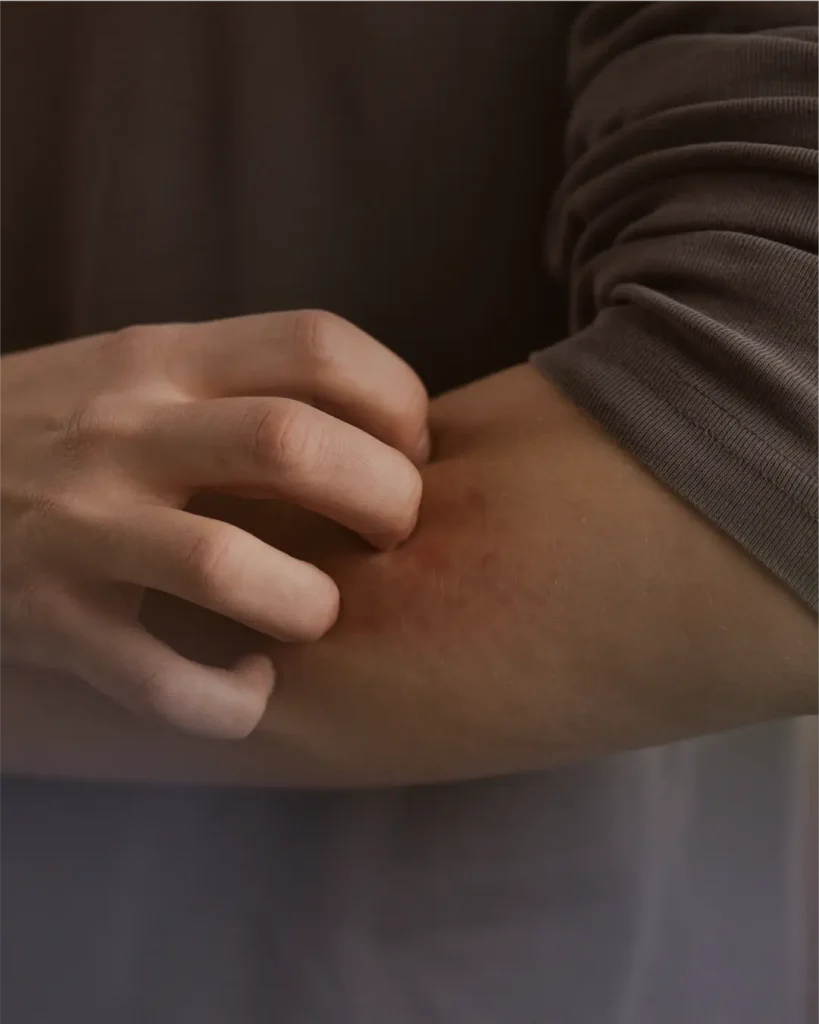
Psoriasis

Home Psoriasis Request an Appointment Overview Psoriasis is a chronic, autoimmune inflammatory skin disease characterized by accelerated turnover of epidermal cells due to dysregulated T-cell activation and increased pro-inflammatory cytokines, particularly TNF-α, IL-17, and IL-23. This leads to thickened, scaly plaques with erythema and silvery-white buildup of keratin on the skin surface.Psoriasis is not just a skin disorder, it is a systemic immune disease associated with metabolic, cardiovascular, and joint involvement. Up to 30% of individuals with psoriasis develop psoriatic arthritis (PsA), which causes joint inflammation, enthesitis, and progressive structural damage.Psoriasis severity ranges from small localized plaques to wide-spread debilitating disease. Common Symptoms → Red, inflamed, scaly plaques→ Itching, burning, pain→ Nail changes: pitting, onycholysis, dystrophy→ Cracking and bleeding in severe cases→ Social and psychological burden due to visibilityPsoriasis is associated with:→ Psoriatic Arthritis● joint inflammation + bone erosion→ Metabolic Syndrome → Obesity and insulin resistance→ Non-alcoholic fatty liver disease→ Cardiovascular disease ● due to chronic inflammation→ Depression and anxietyThis broader impact reflects psoriasis as a whole-body inflammatory disease. Root Causes & Triggers 01. INFECTIONS → Staph aureus→ Streptococcus→ Candida→ Porphyromonas gingivalis→ Hepatitis C → CMV→ SARS COV2→ Lyme disease (borrelia)→ Localized tonsillar infections (strep/ staph) → High parasitic incidence (amoebiasis, helminths) 02. TOXINS → barium (Ba), cesium (Cs), antimony (Sb), uranium (Ur), and cadmium (Cd)● cadmium levels correlate with severity→ Mercury→ Pesticides → PFAS→ Mycotoxins→ Phthalates 03. CIRCADIAN → Perturbed clock transcripts in lesional/non-lesional skin vs. healthy.→ Night-shift workers have higher psoriasis incidence.→ Lower nighttime melatonin in psoriasis; disrupted rhythm.● psoriatic patients had lost the nocturnal peak and usual circadian rhythm of melatonin secretion. Levels of melatonin were significantly lower than in controls at 2 a.m., and higher at 6 and 8 a.m. and at 12 noon. 04. TRAUMA → The brain and the skin originate from same germ layer during fetal development (i.e., the embryonic ectoderm) and are under the influence of the same hormones and neurotransmitters.→ Tissue Resident Memory Cells (TRM cells) and dense mast-cell/nerve networks make the skin a fast responder to stress. Boundary wounds with shame or exposure themes often parallel flares, as neuropeptides raise local cytokines and dormant plaques reignite. → Skin autoimmunity often emerges in shame, boundary violations, separation conflict or the need for protection.→ Childhood maltreatment predisposes psoriasis; acute stress amplifies.→ Historical trauma triggers onset; anger/rumination worsens progression. Our Approach Our approach understands that Rheumatoid Arthritis is the body’s intelligent response to chronic dysregulation across the Four Pillars: circadian disruption, toxic burden, unresolved infections, and unprocessed trauma.Effective treatment begins by identifying which of these key levers are most disrupted in your biology and unique health story using functional blood analysis, specific immune testing, Bioresoance and Autonomic Response Testing. Once we uncover your unique levers we work in sequence to systematically bring the body back into a state of healing. We first restore circadian rhythm integrity to recalibrate hormonal, mitochondrial, and immune timing. We then open the drainage pathways to ensure the body can safely eliminate what has been overwhelming it. From there, we reduce toxic burden, systematically address stealth infections in the correct order and resolve the trauma patterns that keep the nervous system locked in defense mode. Autoimmunity heals when the terrain heals. The goal is not immune suppression, but restoration creating an internal environment where inflammation is no longer required and the immune system can finally return to balance, clarity, and trust. References Chen Y, Pan Z, Shen J, Wu Y, Fang L, Xu S, Ma Y, Zhao H, Pan F. Associations of exposure to blood and urinary heavy metal mixtures with psoriasis risk among U.S. adults: A cross-sectional study. Sci Total Environ. 2023 Aug 20;887:164133. Liaw FY, Chen WL, Kao TW, Chang YW, Huang CF. Exploring the link between cadmium and psoriasis in a nationally representative sample. Sci Rep. 2017 May 11;7(1):1723. Zeldin J, Jordan J, Thota P, Vuong R, Jojo C and Myles IA (2025) Barium and psoriasis: a mini-review and hypothesis linking environmental exposures to ion channel modulation. Front. Med. 12:1585525. Wacewicz-Muczyńska M, Socha K, Soroczyńska J, Niczyporuk M, Borawska MH. Cadmium, lead and mercury in the blood of psoriatic and vitiligo patients and their possible associations with dietary habits. Sci Total Environ. 2021 Feb 25;757:143967. Gangemi S, Miozzi E, Teodoro M, Briguglio G, De Luca A, Alibrando C, Polito I, Libra M. Occupational exposure to pesticides as a possible risk factor for the development of chronic diseases in humans (Review). Mol Med Rep. 2016 Nov;14(5):4475-4488. Spiewak R. Pesticides as a cause of occupational skin diseases in farmers. Ann Agric Environ Med. 2001;8(1):1-5. Zhou S, Yao Z. Roles of Infection in Psoriasis. Int J Mol Sci. 2022 Jun 23;23(13):6955. Rouai, M.; Rabhi, F.; Mansouri, N.; Jaber, K.; Dhaoui, R. New-onset guttate psoriasis secondary to COVID-19. Clin. Case Rep. 2021,9, e04542. Mathieu, R.J.; Cobb, C.B.C.; Telang, G.H.; Firoz, E.F. New-onset pustular psoriasis in the setting of severe acute respiratory syndrome coronavirus 2 infection causing coronavirus disease 2019. JAAD Case Rep. 2020, 6, 1360–1362 Teng Y, Xie W, Tao X, Liu N, Yu Y, Huang Y, Xu D, Fan Y. Infection-provoked psoriasis: Induced or aggravated (Review). Exp Ther Med. 2021 Jun;21(6):567. Arvikar SL, Crowley JT, Sulka KB, Steere AC. Autoimmune Arthritides, Rheumatoid Arthritis, Psoriatic Arthritis, or Peripheral Spondyloarthritis Following Lyme Disease. Arthritis Rheumatol. 2017 Jan;69(1):194-202. Rachakonda TD, Dhillon JS, Florek AG, Armstrong AW (2015) Effect of tonsillectomy on psoriasis: a systematic review. J Am Acad Dermatol 72: 261-275. Celoria V, Rosset F, Pala V, Dapavo P, Ribero S, Quaglino P, Mastorino L. The Skin Microbiome and Its Role in Psoriasis: A Review. Psoriasis (Auckl). 2023 Oct 26;13:71-78. Khare S, Trivedi T. Coexisting parasitic infestations in patients with psoriasis and effects of deworming therapy on response of treatment. Panacea J Med Sci 2020;10(2):68-70. Sathyanarayana Rao TS, Basavaraj KH, Das K. Psychosomatic paradigms in psoriasis: Psoriasis, stress and mental health. Indian J Psychiatry. 2013 Oct;55(4):313-5. Duan J, Greenberg EN, Karri SS, Andersen B. The circadian clock and diseases of the skin. FEBS Lett. 2021 Oct;595(19):2413-2436. Rajasekharan A, Munisamy M, Menon

Conditions We Treat

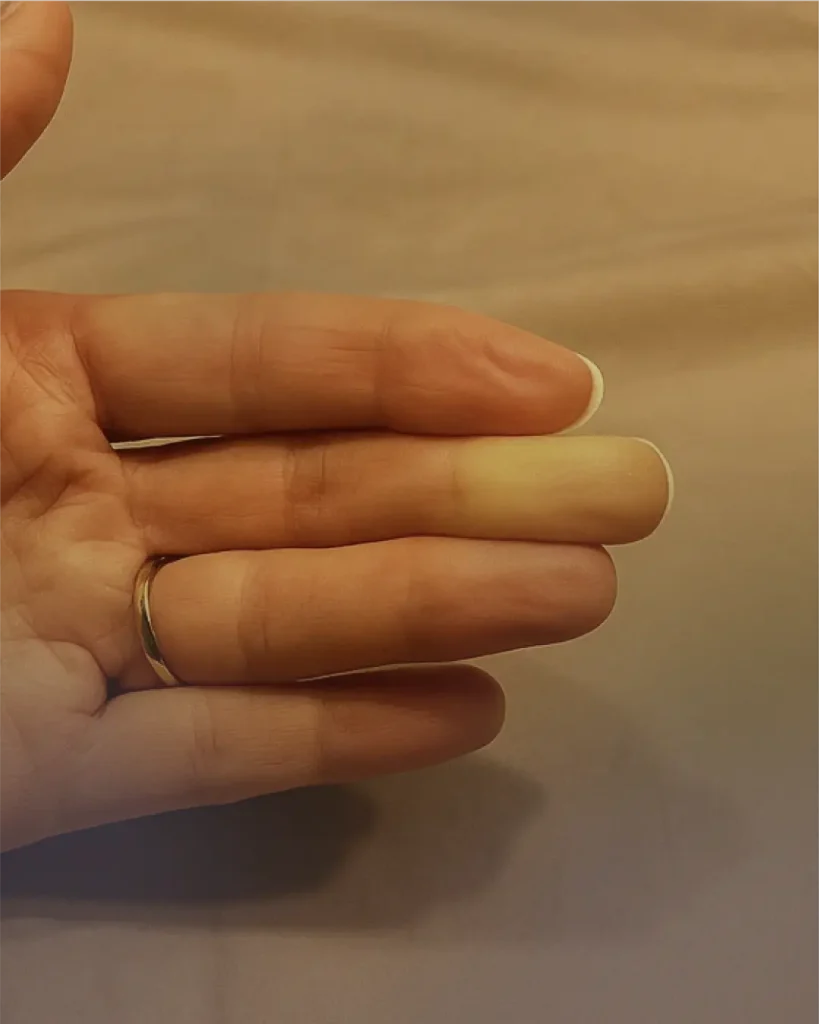
Scleroderma

Home Scleroderma Request an Appointment Overview Scleroderma, also known as systemic sclerosis (SSc), is a chronic, systemic autoimmune connective tissue disease characterized by excessive collagen deposition, microvascular dysfunction, and immune-mediated inflammation. These processes lead to thickening and fibrosis of the skin and can extend to internal organs including the lungs, heart, kidneys, gastrointestinal tract, and vasculature.The hallmark features of scleroderma are: Fibrosis: overproduction and dysregulation of extracellular matrix proteins by fibroblasts Vasculopathy: narrowing and damage of small blood vessels Autoimmunity: presence of specific autoantibodies and immune activation Common Symptoms Skin and Peripheral Vasculature → Skin thickening, tightness, reduced mobility→ Raynaud’s phenomenon (often the earliest sign)→ Digital ulcers, telangiectasias (capillary dilation)→ Calcinosis cutis (calcium deposits under skin)Organ System Involvement→ Lungs● interstitial lung disease, pulmonary hypertension→ GI tract● dysmotility, acid reflux, malabsorption→ Kidneys● scleroderma renal crisis (life-threatening hypertension)→ Heart● arrhythmias, heart failure, pericardial disease→ Musculoskeletal● joint stiffness, tendon friction rubsFatigue, anxiety, and pain are common and significantly impact quality of life. Root Causes & Triggers 01. TOXINS → Heavy metals● cadmium, lead, mercury, molybdenum, antimony→ Pesticides→ Silica→ Solvents● trichloroethylene, vinyl chloride 02. INFECTIONS → Viral● SARS-CoV-2● EBV● CMV→ Lyme (borrelia)● Especially in localized scleroderma 03. TRAUMA → Majority have major stressors (e.g., loss, divorce) in year pre-onset, higher in diffuse scleroderma● Triggers via HPA axis dysregulation→ Self-esteem conflict● Life or a situation is unbearably hard. → One feels defensive and powerless. Our Approach Our approach understands that Scleroderma is the body’s intelligent response to chronic dysregulation across the Four Pillars: circadian disruption, toxic burden, unresolved infections, and unprocessed trauma. Effective treatment begins by identifying which of these key levers are most disrupted in your biology and unique health story using functional blood analysis, specific immune testing, Bioresoance and Autonomic Response Testing. Once we uncover your unique levers we work in sequence to systematically bring the body back into a state of healing. We first restore circadian rhythm integrity to recalibrate hormonal, mitochondrial, and immune timing. We then open the drainage pathways to ensure the body can safely eliminate what has been overwhelming it. From there, we reduce toxic burden, systematically address stealth infections in the correct order and resolve the trauma patterns that keep the nervous system locked in defense mode. Autoimmunity heals when the terrain heals. The goal is not immune suppression, but restoration creating an internal environment where inflammation is no longer required and the immune system can finally return to balance, clarity, and trust. References Sozeri B, Gulez N, Aksu G, Kutukculer N, Akalın T, Kandiloglu G. Pesticide-induced scleroderma and early intensive immunosuppressive treatment. Arch Environ Occup Health. 2012;67(1):43-7. Marie I, Gehanno JF. Environmental risk factors of systemic sclerosis. Semin Immunopathol. 2015 Sep;37(5):463-73. Marie I, Gehanno JF, Bubenheim M, Duval-Modeste AB, Joly P, Dominique S, Bravard P, Noël D, Cailleux AF, Benichou J, Levesque H, Goullé JP. Systemic sclerosis and exposure to heavy metals: A case control study of 100 patients and 300 controls. Autoimmun Rev. 2017 Mar;16(3):223-230. Marie I. Systemic sclerosis and exposure to heavy metals. Autoimmun Rev. 2019 Jan;18(1):62-72. Randone SB, Guiducci S, Cerinic MM. Systemic sclerosis and infections. Autoimmun Rev. 2008 Oct;8(1):36-40. Zou H, Rau A, Daveluy S. Scleroderma after COVID-19 Infection and Vaccination. Skinmed. 2023 Sep 29;21(4):253-256. Carroll M, Nagarajah V, Campbell S. Systemic sclerosis following COVID-19 infection with recurrent corticosteroid-induced scleroderma renal crisis. BMJ Case Rep. 2023 Mar 17;16(3):e253735. Zinchuk AN, Kalyuzhna LD, Pasichna IA. Is Localized Scleroderma Caused by Borrelia burgdorferi? Vector Borne Zoonotic Dis. 2016 Sep;16(9):577-80. Wackernagel A, Bergmann AR, Aberer E. Acute exacerbation of systemic scleroderma in Borrelia burgdorferi infection. J Eur Acad Dermatol Venereol. 2005 Jan;19(1):93-6. Sozeri B, Gulez N, Aksu G, Kutukculer N, Akalın T, Kandiloglu G. Pesticide-induced scleroderma and early intensive immunosuppressive treatment. Arch Environ Occup Health. 2012;67(1):43-7. Marie I, Gehanno JF. Environmental risk factors of systemic sclerosis. Semin Immunopathol. 2015 Sep;37(5):463-73. Marie I, Gehanno JF, Bubenheim M, Duval-Modeste AB, Joly P, Dominique S, Bravard P, Noël D, Cailleux AF, Benichou J, Levesque H, Goullé JP. Systemic sclerosis and exposure to heavy metals: A case control study of 100 patients and 300 controls. Autoimmun Rev. 2017 Mar;16(3):223-230. Marie I. Systemic sclerosis and exposure to heavy metals. Autoimmun Rev. 2019 Jan;18(1):62-72. Randone SB, Guiducci S, Cerinic MM. Systemic sclerosis and infections. Autoimmun Rev. 2008 Oct;8(1):36-40. Zou H, Rau A, Daveluy S. Scleroderma after COVID-19 Infection and Vaccination. Skinmed. 2023 Sep 29;21(4):253-256. Carroll M, Nagarajah V, Campbell S. Systemic sclerosis following COVID-19 infection with recurrent corticosteroid-induced scleroderma renal crisis. BMJ Case Rep. 2023 Mar 17;16(3):e253735. Zinchuk AN, Kalyuzhna LD, Pasichna IA. Is Localized Scleroderma Caused by Borrelia burgdorferi? Vector Borne Zoonotic Dis. 2016 Sep;16(9):577-80. Wackernagel A, Bergmann AR, Aberer E. Acute exacerbation of systemic scleroderma in Borrelia burgdorferi infection. J Eur Acad Dermatol Venereol. 2005 Jan;19(1):93-6. Contents The Autoimmune Revival Book Inside the book, you’ll discover how modern science and embodied healing can work together to create sustainable vitality. Available Now PLAN YOUR Free 30-Minute Consultation Call with Dr. McLaughlin Schedule Consultation The Autoimmune Revival Free Course The same breakthrough that saved my wife has now helped hundreds of patients break free from chronic fatigue, pain, and inflammation, naturally and permanently. FREE ACCESS The Autoimmune Revival Book Inside the book, you’ll discover how modern science and embodied healing can work together to create sustainable vitality. Pre-Order Now PLAN YOUR Free 30-Minute Consultation Call with Dr. McLaughlin Schedule Consultation The Autoimmune Revival Free Course The same breakthrough that saved my wife has now helped hundreds of patients break free from chronic fatigue, pain, and inflammation, naturally and permanently. FREE ACCESS Recommended For You View All → Oxalates and Autoimmunity: The Hidden Connection to Microbial Imbalance Continue Reading » Understanding Frequency Specific Microcurrent (FSM) Therapy Continue Reading » Autoimmunity vs. Autoimmune Disease: Understanding the Spectrum Continue Reading »

Conditions We Treat

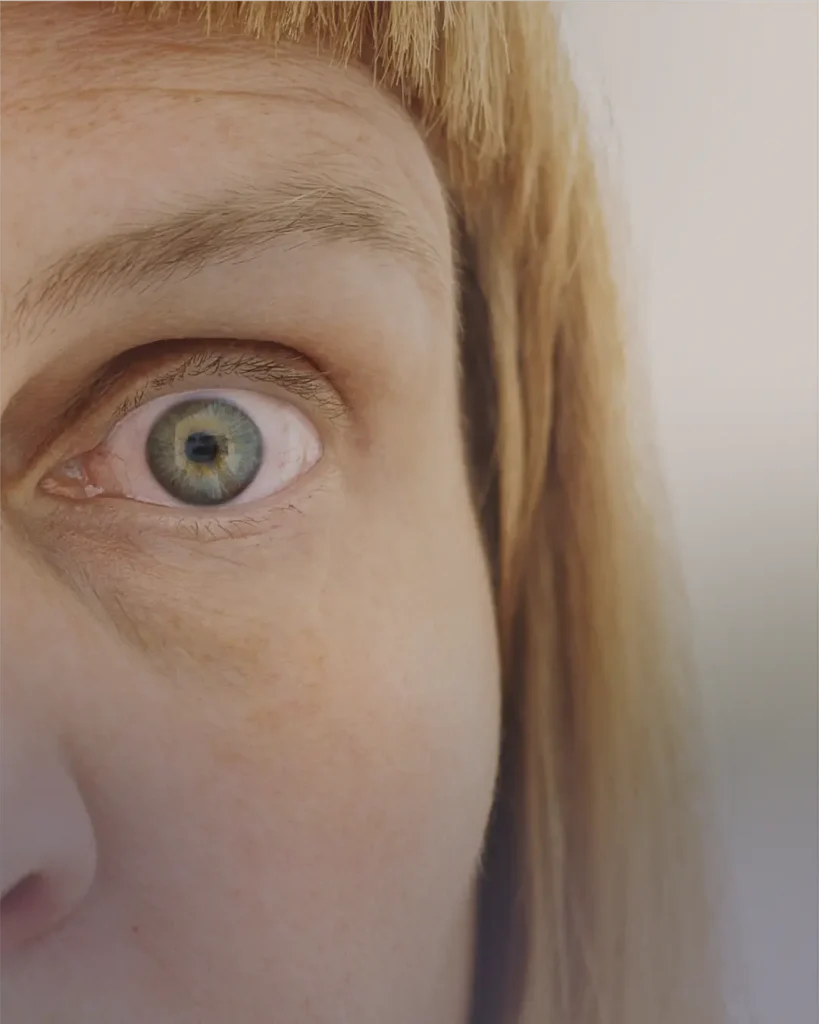
Graves Disease

Home Graves Disease Request an Appointment Overview Graves’ disease is a chronic, autoimmune thyroid disorder characterized by the production of thyroid-stimulating immunoglobulins (TSI) that bind to and activate the TSH receptor on thyroid cells. This abnormal stimulation drives excessive thyroid hormone production (thyrotoxicosis) and thyroid gland enlargement (goiter). Graves’ disease is the most common cause of hyperthyroidism worldwide.The immune process is driven primarily by autoreactive B cells and T cells, leading not only to hormonal excess but also extrathyroidal autoimmune manifestations, most notably Graves’ ophthalmopathy (inflammation and remodeling behind the eyes) and Graves’ dermopathy (pretibial myxedema). These tissue-specific effects are due to TSH receptor expression in orbital fibroblasts and other connective tissues.Graves’ disproportionately affects women (≈7–10:1 ratio) and frequently emerges around major hormonal transitions, such as postpartum highlighting the interplay between endocrine and immune systems. Common Symptoms → Heat intolerance, excessive sweating→ Weight loss despite increased appetite→ Fatigue and muscle weakness→ Palpitations, tachycardia→ Atrial fibrillation in severe disease→ Anxiety, irritability, insomnia→ Tremors, hyperreflexia→ Difficulty concentrating→ Irregular menses, decreased fertility→ Postpartum immune flares common→ Diffuse goiter→ Fine, brittle hair; skin thinningSignature Extrathyroidal Manifestations→ Graves’ ophthalmopathy● Eye bulging (proptosis), pain, gritty sensation, diplopia, vision risk in severe cases→ Graves’ dermopathy● Localized thickening of skin over shins (pretibial myxedema) These manifestations reflect autoimmune inflammation, not hormone excess alone. Root Causes & Triggers 01. INFECTIONS → EBV→ SARS COV2→ Retroviruses→ Yersinia→ E. histolytica→ Lyme (borrelia) 02. TOXINS → Heavy metals● cadmium, maganese, lead, mercury→ Pesticides● 60% pesticides affect T3/T4→ Aluminum→ Medical radiation→ PCBs→ BPA→ Phthalates→ Mycotoxins (Aspergillus) 03. CIRCADIAN → Altered clock genes (PER3)nin 04. TRAUMA → Stressful events precede onset of GD and correlates with relapses→ Mistiming of thyroid hormone release→ When an individual suffers a conflict because they perceive themselves as being too slow, Our Approach Our approach understands that Grave’s Disease is the body’s intelligent response to chronic dysregulation across the Four Pillars: circadian disruption, toxic burden, unresolved infections, and unprocessed trauma. Effective treatment begins by identifying which of these key levers are most disrupted in your biology and unique health story using functional blood analysis, specific immune testing, Bioresoance and Autonomic Response Testing. Once we uncover your unique levers we work in sequence to systematically bring the body back into a state of healing. We first restore circadian rhythm integrity to recalibrate hormonal, mitochondrial, and immune timing. We then open the drainage pathways to ensure the body can safely eliminate what has been overwhelming it. From there, we reduce toxic burden, systematically address stealth infections in the correct order and resolve the trauma patterns that keep the nervous system locked in defense mode. Autoimmunity heals when the terrain heals. The goal is not immune suppression, but restoration creating an internal environment where inflammation is no longer required and the immune system can finally return to balance, clarity, and trust. References Jancic SA, Stosic BZ. Cadmium effects on the thyroid gland. Vitam Horm (2014) 94:391–425. Soldin OP, Aschner M. Effects of manganese on thyroid hormone homeostasis: potential links. Neurotoxicology (2007) 28:951–6. Street ME, Shulhai AM, et al. The impact of environmental factors and contaminants on thyroid function and disease from fetal to adult life: current evidence and future directions. Front Endocrinol (Lausanne). 2024 Jun 19;15:1429884. Brent GA. Environmental exposures and autoimmune thyroid disease. Thyroid. 2010 Jul;20(7):755-61. Pyzik A, Grywalska E, Matyjaszek-Matuszek B, Ludian J, Kiszczak-Bochyńska E, Smoleń A, Roliński J, Pyzik D. Does the Epstein-Barr Virus Play a Role in the Pathogenesis of Graves’ Disease? Int J Mol Sci. 2019 Jun 27;20(13):3145. Rezaei M, Javadmoosavi SY, Mansouri B, Azadi NA, Mehrpour O, Nakhaee S. Thyroid dysfunction: how concentration of toxic and essential elements contribute to risk of hypothyroidism, hyperthyroidism, and thyroid cancer. Environ Sci Pollut Res Int. 2019 Dec;26(35):35787-35796. Bajaj, J. K., Salwan, P., & Salwan, S. (2016). Various possible toxicants involved in thyroid dysfunction: A review. J Clin Diagn Res, 10(1): FE01-FE03. Chen F, Qiu R, Lin Z, Chen J, Liu P and Huang Y (2024) Effect of micronutrients on the risk of Graves’ disease: a Mendelian randomization study. Front. Nutr. 11:1432420 Rafi’i MR, Ja’afar MH, Mohammed Nawi A, Md Hanif SA, Md Asari SN. Association between toxic heavy metals and noncancerous thyroid disease: a scoping review. PeerJ. 2025 Feb 11;13:e18962. Pamphlett R, Doble PA, Bishop DP (2021) Mercury in the human thyroid gland: Potential implications for thyroid cancer, autoimmune thyroiditis, and hypothyroidism. PLoS ONE 16(2): e0246748. Babić Leko, M., Gunjača, I., Pleić, N., & Zemunik, T. (2021). Environmental Factors Affecting Thyroid-Stimulating Hormone and Thyroid Hormone Levels. International Journal of Molecular Sciences, 22(12), 6521. Fukao A, Takamatsu J, Arishima T, Tanaka M, Kawai T, Okamoto Y, Miyauchi A, Imagawa A. Graves’ disease and mental disorders. J Clin Transl Endocrinol. 2019 Oct 11;19:100207. Willems JIA, van Twist DJL, Peeters RP, Mostard GJM, van Wijngaarden RFATL. Stress-Induced Graves Disease: Spontaneous Recovery After Stress Relief. J Endocr Soc. 2023 Dec 13;8(1):157. Kraft, S., Buchenauer, L., & Polte, T. (2021). Mold, Mycotoxins and a Dysregulated Immune System: A Combination of Concern? International Journal of Molecular Sciences, 22(22), 12269. Jancic SA, Stosic BZ. Cadmium effects on the thyroid gland. Vitam Horm (2014) 94:391–425. Soldin OP, Aschner M. Effects of manganese on thyroid hormone homeostasis: potential links. Neurotoxicology (2007) 28:951–6. Street ME, Shulhai AM, et al. The impact of environmental factors and contaminants on thyroid function and disease from fetal to adult life: current evidence and future directions. Front Endocrinol (Lausanne). 2024 Jun 19;15:1429884. Brent GA. Environmental exposures and autoimmune thyroid disease. Thyroid. 2010 Jul;20(7):755-61. Pyzik A, Grywalska E, Matyjaszek-Matuszek B, Ludian J, Kiszczak-Bochyńska E, Smoleń A, Roliński J, Pyzik D. Does the Epstein-Barr Virus Play a Role in the Pathogenesis of Graves’ Disease? Int J Mol Sci. 2019 Jun 27;20(13):3145. Rezaei M, Javadmoosavi SY, Mansouri B, Azadi NA, Mehrpour O, Nakhaee S. Thyroid dysfunction: how concentration of toxic and essential elements contribute to risk of hypothyroidism, hyperthyroidism, and thyroid cancer. Environ Sci Pollut Res Int. 2019 Dec;26(35):35787-35796. Bajaj, J. K., Salwan, P., & Salwan, S. (2016). Various possible toxicants involved in thyroid dysfunction: A review. J Clin Diagn Res, 10(1):

Conditions We Treat

PANS/ PANDAS

Home PANS/PANDAS Request an Appointment Overview PANS (Pediatric Acute-onset Neuropsychiatric Syndrome) and PANDAS (Pediatric Autoimmune Neuropsychiatric Disorders Associated with Streptococcal Infections) are clinical syndromes in which sudden-onset neuropsychiatric symptoms, most notably obsessive-compulsive behaviors and/or severe restricted eating, are triggered by an immune response to infection or inflammation. In susceptible children, the immune system produces antibodies that mistakenly target neuronal tissue in the brain, particularly within the basal ganglia, a region involved in movement, emotions, and behavior.The resulting autoimmune-mediated neuroinflammation leads to dramatic and abrupt behavioral and cognitive changes, often appearing “overnight” and representing a striking deviation from the child’s prior functioning. PANS is an umbrella diagnosis describing this acute neuropsychiatric onset from any trigger, including infections (e.g., streptococcus, Mycoplasma pneumoniae, Lyme disease, viruses), mold illness, metabolic disturbances, and psychosocial stress.PANDAS is considered a subset of PANS specifically linked to Group A Streptococcal infections (e.g., strep throat, scarlet fever), featuring characteristic immune cross-reactivity known as molecular mimicry.Both conditions are recognized as relapsing-remitting disorders, where new exposures or immune triggers can cause symptom flares. Without proper diagnosis and treatment addressing both the infection trigger and immune dysregulation, children may experience chronic impairment. Common Symptoms OCD / Severe Anxiety / Tics / Sensory Sensitivities / Separation Anxiety / Emotional Lability / Urinary Symptoms / Handwriting Decline / Regression of Developmental Skills Root Causes & Triggers 01. PANDAS → Group A beta-hemolytic strep 02. PANS → Infections● Lyme● Babesia● Bartonella ● Mycoplasma● Coxsackie● Retroviruses● EBV● SARS COV-2→ Toxins● Heavy Metals (mercury)● Mold● EMF● Glyphosate 03. Nutrition → Low iron● Makes symptoms worse→ Low vitamin D● Worsens neuroinflammation→ Low b12● Deficiency not causative but can amplify neuropsychiatric symptoms Our Approach Our approach understands that PANS/PANDAS is the body’s intelligent response to chronic dysregulation across the Four Pillars: circadian disruption, toxic burden, unresolved infections, and unprocessed trauma. Effective treatment begins by identifying which of these key levers are most disrupted in your biology and unique health story using functional blood analysis, specific immune testing, Bioresoance and Autonomic Response Testing. Once we uncover your unique levers we work in sequence to systematically bring the body back into a state of healing. We first restore circadian rhythm integrity to recalibrate hormonal, mitochondrial, and immune timing. We then open the drainage pathways to ensure the body can safely eliminate what has been overwhelming it. From there, we reduce toxic burden, systematically address stealth infections in the correct order and resolve the trauma patterns that keep the nervous system locked in defense mode. Autoimmunity heals when the terrain heals. The goal is not immune suppression, but restoration creating an internal environment where inflammation is no longer required and the immune system can finally return to balance, clarity, and trust. References Chang K, et al. Clinical evaluation of youth with pediatric acute-onset neuropsychiatric syndrome (PANS): recommendations from the 2013 PANS Consensus Conference. J Child Adolesc Psychopharmacol. 2015 Feb;25(1):3-13. Cooperstock MS, et al. Clinical Management of Pediatric Acute-Onset Neuropsychiatric Syndrome: Part III-Treatment and Prevention of Infections. J Child Adolesc Psychopharmacol. 2017 Sep;27(7):594-606. Frankovich J, et al. Five youth with pediatric acute-onset neuropsychiatric syndrome of differing etiologies. J Child Adolesc Psychopharmacol. 2015 Feb;25(1):31-7. Pallanti S, Di Ponzio M. PANDAS/PANS in the COVID-19 Age: Autoimmunity and Epstein-Barr Virus Reactivation as Trigger Agents? Children (Basel). 2023 Mar 30;10(4):648. Greenberg R. Investigating the frequency of tick-borne infections in a case series of 37 youth diagnosed with pediatric bipolar disorder. Front Child Adolesc Psychiatry. 2025 Nov 6;4:1685016. Ratnaseelan AM, Tsilioni I, Theoharides TC. Effects of Mycotoxins on Neuropsychiatric Symptoms and Immune Processes. Clin Ther. 2018 Jun;40(6):903-917. Mojtaba Ehsanifar, Reihane Rajati, Akram Gholami, Joseph P Reiss. Mold and Mycotoxin Exposure and Brain Disorders. J. Integr. Neurosci. 2023, 22(6), 137. Gagliano A, Cat al. Pediatric Acute-Onset Neuropsychiatric Syndrome: Current Perspectives. Neuropsychiatr Dis Treat. 2023 May 24;19:1221-1250. Efe A. SARS-CoV-2/COVID-19 associated pediatric acute-onset neuropsychiatric syndrome a case report of female twin adolescents. Psychiatry Res Case Rep. 2022 Dec;1(2):100074. Pavone P, et al. SARS-CoV-2 related paediatric acute-onset neuropsychiatric syndrome. Lancet Child Adolesc Health. 2021 Jun;5(6):e19-e21. Chang K, et al. Clinical evaluation of youth with pediatric acute-onset neuropsychiatric syndrome (PANS): recommendations from the 2013 PANS Consensus Conference. J Child Adolesc Psychopharmacol. 2015 Feb;25(1):3-13. Cooperstock MS, et al. Clinical Management of Pediatric Acute-Onset Neuropsychiatric Syndrome: Part III-Treatment and Prevention of Infections. J Child Adolesc Psychopharmacol. 2017 Sep;27(7):594-606. Frankovich J, et al. Five youth with pediatric acute-onset neuropsychiatric syndrome of differing etiologies. J Child Adolesc Psychopharmacol. 2015 Feb;25(1):31-7. Pallanti S, Di Ponzio M. PANDAS/PANS in the COVID-19 Age: Autoimmunity and Epstein-Barr Virus Reactivation as Trigger Agents? Children (Basel). 2023 Mar 30;10(4):648. Greenberg R. Investigating the frequency of tick-borne infections in a case series of 37 youth diagnosed with pediatric bipolar disorder. Front Child Adolesc Psychiatry. 2025 Nov 6;4:1685016. Ratnaseelan AM, Tsilioni I, Theoharides TC. Effects of Mycotoxins on Neuropsychiatric Symptoms and Immune Processes. Clin Ther. 2018 Jun;40(6):903-917. Mojtaba Ehsanifar, Reihane Rajati, Akram Gholami, Joseph P Reiss. Mold and Mycotoxin Exposure and Brain Disorders. J. Integr. Neurosci. 2023, 22(6), 137. Gagliano A, Cat al. Pediatric Acute-Onset Neuropsychiatric Syndrome: Current Perspectives. Neuropsychiatr Dis Treat. 2023 May 24;19:1221-1250. Efe A. SARS-CoV-2/COVID-19 associated pediatric acute-onset neuropsychiatric syndrome a case report of female twin adolescents. Psychiatry Res Case Rep. 2022 Dec;1(2):100074. Pavone P, et al. SARS-CoV-2 related paediatric acute-onset neuropsychiatric syndrome. Lancet Child Adolesc Health. 2021 Jun;5(6):e19-e21. Contents The Autoimmune Revival Book Inside the book, you’ll discover how modern science and embodied healing can work together to create sustainable vitality. Available Now PLAN YOUR Free 30-Minute Consultation Call with Dr. McLaughlin Schedule Consultation The Autoimmune Revival Free Course The same breakthrough that saved my wife has now helped hundreds of patients break free from chronic fatigue, pain, and inflammation, naturally and permanently. FREE ACCESS The Autoimmune Revival Book Inside the book, you’ll discover how modern science and embodied healing can work together to create sustainable vitality. Pre-Order Now PLAN YOUR Free 30-Minute Consultation Call with Dr. McLaughlin Schedule Consultation The Autoimmune Revival Free Course The same breakthrough that saved my wife has now helped hundreds of patients break free from chronic fatigue, pain, and inflammation, naturally and permanently.

Conditions We Treat

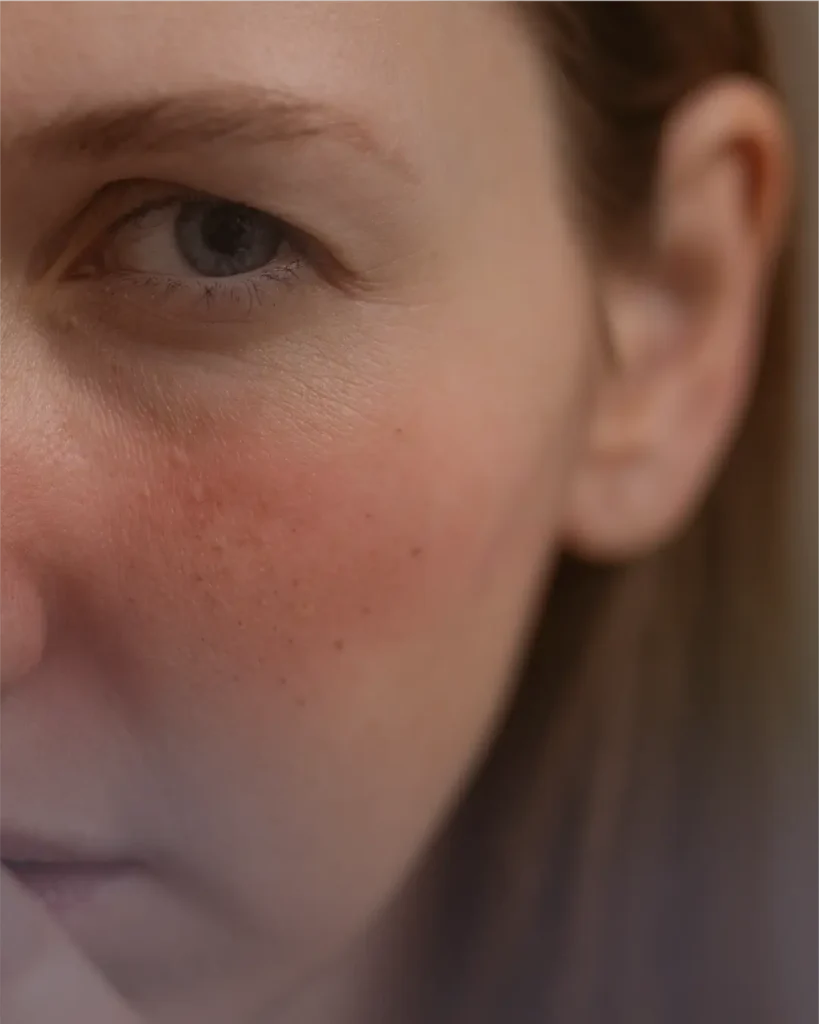
Lupus

Home Lupus Request an Appointment Overview Systemic lupus erythematosus (SLE), commonly called lupus, is a chronic, systemic autoimmune disease characterized by a loss of immune tolerance that leads to the production of autoantibodies and widespread inflammation affecting multiple organs. Instead of distinguishing harmful invaders from self, the adaptive immune system targets the body’s own cellular components, particularly nuclear antigens such as DNA, histones, and ribonucleoproteins.This immune misdirection results in immune complex formation (antibody-antigen complexes) that deposit in tissues throughout the body. Their presence activates complement pathways, drives inflammation, and causes progressive tissue damage. Nearly any organ can become a target including skin, joints, kidneys, brain, lungs, heart, and blood and as a result lupus has highly variable clinical expression, ranging from mild intermittent symptoms to life-threatening organ involvement.SLE typically follows a relapsing-remitting course, with flares triggered by stressors and periods of clinical calm in between. Early recognition and targeted treatment are essential to prevent complications such as lupus nephritis, cardiovascular disease, thrombosis, and irreversible organ damage. Common Symptoms Fatigue / Joint pain and stiffness / Joint swelling / Skin rashes / Photosensitivity / Fever / Hair loss / Mouth or nose ulcers / Raynaud’s phenomenon / Chest pain / Kidney involvement / Neurological symptoms / Inflammation Root Causes & Triggers 01. INFECTIONS → Persistent Lyme● mimicked by or possibly triggered after Borrelia infection,→ Retroviral● HERV-caused DNA hypomethylation in the etiology of SLE → Viral● HHV4 (EBV) 02. TOXINS → Heavy metals→ Pesticides→ Vaccination● HEP B● Influenza 03. CIRCADIAN → Dysregulation of melatonin 04. TRAUMA → Post‑traumatic stress disorder are associated with approximately 2‑ to 3‑fold higher risk of developing SLE→ Trauma program of: “I must mask what I really feel.”→ Separation conflict – wanting or not wanting to have skin contact. Our Approach Our approach understands that Lupus is the body’s intelligent response to chronic dysregulation across the Four Pillars: circadian disruption, toxic burden, unresolved infections, and unprocessed trauma. Effective treatment begins by identifying which of these key levers are most disrupted in your biology and unique health story using functional blood analysis, specific immune testing, Bioresoance and Autonomic Response Testing. Once we uncover your unique levers we work in sequence to systematically bring the body back into a state of healing. We first restore circadian rhythm integrity to recalibrate hormonal, mitochondrial, and immune timing. We then open the drainage pathways to ensure the body can safely eliminate what has been overwhelming it. From there, we reduce toxic burden, systematically address stealth infections in the correct order and resolve the trauma patterns that keep the nervous system locked in defense mode. Autoimmunity heals when the terrain heals. The goal is not immune suppression, but restoration creating an internal environment where inflammation is no longer required and the immune system can finally return to balance, clarity, and trust. References Barbhaiya M, Costenbader KH. Environmental exposures and the development of systemic lupus erythematosus. Curr Opin Rheumatol. 2016 Sep;28(5):497-505. Banko A, Cirkovic A, Miskovic R, Jeremic I, Grk M, Basaric M, Lazarevic I, Raskovic S, Despotovic A and Miljanovic D (2023) Epstein-Barr virus infection as potential indicator of the occurrence and clinical presentation of systemic lupus erythematosus. Front. Immunol. 14:1307589. Williams JN, Chang SC, Sinnette C, Malspeis S, Parks CG, Karlson EW, Fraser P, Costenbader K. Pesticide exposure and risk of systemic lupus erythematosus in an urban population of predominantly African-American women. Lupus. 2018 Nov;27(13):2129-2134. Parks CG, De Roos AJ. Pesticides, chemical and industrial exposures in relation to systemic lupus erythematosus. Lupus. 2014 May;23(6):527-36. Katz P, DeQuattro K, Patterson S, Trupin L, Barbour K, Rush S, Lanata C, Yazdany J, Dall’Era M. Trauma Is Associated with Flares in Systemic Lupus Erythematosus (SLE) [abstract]. Arthritis Rheumatol. 2021; 73 (suppl 9). Yehudina Y, Trypilka S. Lyme Borreliosis as a Trigger for Autoimmune Disease. Cureus. 2021 Oct 10;13(10):e18648. Rodríguez Y, Rojas M, Gershwin ME, Anaya JM. Tick-borne diseases and autoimmunity: a comprehensive review. J Autoimmun 2018;88:21–42. Stearrett N, Dawson T, Rahnavard A, Bachali P, Bendall ML, Zeng C, Caricchio R, Pérez-Losada M, Grammer AC, Lipsky PE, Crandall KA. Expression of Human Endogenous Retroviruses in Systemic Lupus Erythematosus: Multiomic Integration With Gene Expression. Front Immunol. 2021 Apr 27;12:661437. Lemus YB, Martínez GA, Lugo LP, Escorcia LG, Peñata EZ, Llanos NS, Bonfanti AC, Acosta-Hoyos AJ, Quiroz EN. Gene profiling of Epstein-Barr Virus and human endogenous retrovirus in peripheral blood mononuclear cells of SLE patients: immune response implications. Sci Rep. 2024 Aug 30;14(1):20236. Agmon-Levin N, Zafrir Y, Paz Z, et al. Ten cases of systemic lupus erythematosus related to hepatitis B vaccine. Lupus. 2009; 18:1192–7. Cooper GS, Wither J, Bernatsky S, et al. Occupational and environmental exposures and risk of systemic lupus erythematosus: silica, sunlight, solvents. Rheumatology. 2010; 49(11):2172–80. Medrano-Campillo P, Sarmiento-Soto H, Álvarez-Sánchez N, Álvarez-Ríos AI, Guerrero JM, Rodríguez-Prieto I, Castillo-Palma MJ, Lardone PJ, Carrillo-Vico A. Evaluation of the immunomodulatory effect of melatonin on the T-cell response in peripheral blood from systemic lupus erythematosus patients. J Pineal Res. 2015 Mar;58(2):219-26. Barbhaiya M, Costenbader KH. Environmental exposures and the development of systemic lupus erythematosus. Curr Opin Rheumatol. 2016 Sep;28(5):497-505. Banko A, Cirkovic A, Miskovic R, Jeremic I, Grk M, Basaric M, Lazarevic I, Raskovic S, Despotovic A and Miljanovic D (2023) Epstein-Barr virus infection as potential indicator of the occurrence and clinical presentation of systemic lupus erythematosus. Front. Immunol. 14:1307589. Williams JN, Chang SC, Sinnette C, Malspeis S, Parks CG, Karlson EW, Fraser P, Costenbader K. Pesticide exposure and risk of systemic lupus erythematosus in an urban population of predominantly African-American women. Lupus. 2018 Nov;27(13):2129-2134. Parks CG, De Roos AJ. Pesticides, chemical and industrial exposures in relation to systemic lupus erythematosus. Lupus. 2014 May;23(6):527-36. Katz P, DeQuattro K, Patterson S, Trupin L, Barbour K, Rush S, Lanata C, Yazdany J, Dall’Era M. Trauma Is Associated with Flares in Systemic Lupus Erythematosus (SLE) [abstract]. Arthritis Rheumatol. 2021; 73 (suppl 9). Yehudina Y, Trypilka S. Lyme Borreliosis as a Trigger for Autoimmune Disease. Cureus. 2021 Oct 10;13(10):e18648. Rodríguez Y, Rojas M, Gershwin ME, Anaya JM. Tick-borne diseases and autoimmunity: a comprehensive review. J Autoimmun 2018;88:21–42. Stearrett N, Dawson

Scroll to Top
Root Cause Quiz

Let’s explore what may be standing in the way of your healing, and identify the pattern your body is asking you to see.