
Author name: Dr. Brendan McLaughlin

Conditions We Treat

Rheumatoid Arthritis (RA)

Home Rheumatoid Arthritis (RA) Request an Appointment Overview Rheumatoid arthritis is a chronic, systemic autoimmune disease characterized by persistent inflammation of synovial joints, leading to progressive joint damage, loss of function, and potential disability. It occurs when the immune system misidentifies components of the synovium, the thin membrane lining the joints, as a threat and launches an inflammatory attack. Over time, this immune-driven inflammation causes synovial hypertrophy (pannus formation), cartilage degradation, and bone erosion.RA is symmetrical in its presentation and most commonly involves the small joints of the hands, wrists, and feet. However, RA is more than a joint disease: it is a whole-body condition capable of affecting multiple organ systems, including the skin, lungs, heart, eyes, and vasculature.RA typically follows a relapsing-remitting or progressive course, where early diagnosis and intervention are critical. Modern management strategies target immune dysregulation to minimize inflammation, preserve joint integrity, and prevent complications such as cardiovascular disease, osteoporosis, and systemic inflammation–related fatigue. Common Symptoms Pain / Swelling / Morning stiffness / Fatigue / Loss of appetite / Rheumatoid nodules / Inflammation / Root Causes & Triggers 01. INFECTIONS → Persistent Lyme→ Retroviral infections● positive correlation between HERV K levels and objective markers of disease● retrovirus associated rheumatic syndromes→ ebv/cmv● evidence of increased synovial persistence of EBV, CMV, or B19 either alone or even more as coinciding infections may further reinforce the notion of a primary role of these viruses in autoimmune arthritis. 02. TOXINS → Heavy metals● both blood and urinary metals-mixed exposure were positively correlated with the risk of RA, and highlighted that Cadmium and Lead were responsible for the outcomes→ ebv/cmv● specific pesticides, including several currently approved and commonly used in agricultural, public health, or residential settings increase RA risk 03. CIRCADIAN → Dysregulation of melatonin 04. TRAUMA “I am trapped by rigidity; my anger has nowhere safe to move.”Sympathetic fibers in the synovium, metabolically stressed fibroblasts, and citrullinated proteins maintain a memory of past inflammation. Unresolved fight-containment energies mirror joint rigidity. Our Approach Our approach understands that Rheumatoid Arthritis is the body’s intelligent response to chronic dysregulation across the Four Pillars: circadian disruption, toxic burden, unresolved infections, and unprocessed trauma. Effective treatment begins by identifying which of these key levers are most disrupted in your biology and unique health story using functional blood analysis, specific immune testing, Bioresoance and Autonomic Response Testing. Once we uncover your unique levers we work in sequence to systematically bring the body back into a state of healing. We first restore circadian rhythm integrity to recalibrate hormonal, mitochondrial, and immune timing. We then open the drainage pathways to ensure the body can safely eliminate what has been overwhelming it. From there, we reduce toxic burden, systematically address stealth infections in the correct order and resolve the trauma patterns that keep the nervous system locked in defense mode. Autoimmunity heals when the terrain heals. The goal is not immune suppression, but restoration creating an internal environment where inflammation is no longer required and the immune system can finally return to balance, clarity, and trust. References Reynier, F. et al. (2009), Increase in Human Endogenous Retrovirus HERV-K (HML-2) Viral Load in Active Rheumatoid Arthritis. Scandinavian Journal of Immunology, 70: 295-299 Herrmann, Martin PhD, et al. Retrovirus-associated rheumatic syndromes. Current Opinion in Rheumatology 10(4):p 347-354, July 1998. Skarlis C, Anagnostouli M. The role of melatonin in Multiple Sclerosis. Neurol Sci. 2020 Apr;41(4):769-781. Miller JB, Rebman A, Yang T, Aucott J. Prevalence of Rheumatoid Factor and Anti-citrullinated Protein Antibodies in Patients With Post-treatment Lyme Disease. Cureus. 2025 Apr 18;17(4):e82541 Arvikar SL, Crowley JT, Sulka KB, Steere AC. Autoimmune Arthritides, Rheumatoid Arthritis, Psoriatic Arthritis, or Peripheral Spondyloarthritis Following Lyme Disease. Arthritis Rheumatol. 2017 Jan;69(1):194-202. Mehraein, Y., Lennerz, C., Ehlhardt, S. et al. Latent Epstein–Barr virus (EBV) infection and cytomegalovirus (CMV) infection in synovial tissue of autoimmune chronic arthritis determined by RNA- and DNA-in situ hybridization. Mod Pathol 17, 781–789 (2004). Chen L, Sun Q, Peng S, Tan T, Mei G, Chen H, Zhao Y, Yao P, Tang Y. Associations of blood and urinary heavy metals with rheumatoid arthritis risk among adults in NHANES, 1999-2018. Chemosphere. 2022 Feb;289:133147. Parks, C.G., Leyzarovich, D., Hamra, G.B. et al. Associations between pesticide use and rheumatoid arthritis among older farmers in the Agricultural Health Study. Sci Rep 14, 29978 (2024). Reynier, F. et al. (2009), Increase in Human Endogenous Retrovirus HERV-K (HML-2) Viral Load in Active Rheumatoid Arthritis. Scandinavian Journal of Immunology, 70: 295-299 Herrmann, Martin PhD, et al. Retrovirus-associated rheumatic syndromes. Current Opinion in Rheumatology 10(4):p 347-354, July 1998. Skarlis C, Anagnostouli M. The role of melatonin in Multiple Sclerosis. Neurol Sci. 2020 Apr;41(4):769-781. Miller JB, Rebman A, Yang T, Aucott J. Prevalence of Rheumatoid Factor and Anti-citrullinated Protein Antibodies in Patients With Post-treatment Lyme Disease. Cureus. 2025 Apr 18;17(4):e82541 Arvikar SL, Crowley JT, Sulka KB, Steere AC. Autoimmune Arthritides, Rheumatoid Arthritis, Psoriatic Arthritis, or Peripheral Spondyloarthritis Following Lyme Disease. Arthritis Rheumatol. 2017 Jan;69(1):194-202. Mehraein, Y., Lennerz, C., Ehlhardt, S. et al. Latent Epstein–Barr virus (EBV) infection and cytomegalovirus (CMV) infection in synovial tissue of autoimmune chronic arthritis determined by RNA- and DNA-in situ hybridization. Mod Pathol 17, 781–789 (2004). Chen L, Sun Q, Peng S, Tan T, Mei G, Chen H, Zhao Y, Yao P, Tang Y. Associations of blood and urinary heavy metals with rheumatoid arthritis risk among adults in NHANES, 1999-2018. Chemosphere. 2022 Feb;289:133147. Parks, C.G., Leyzarovich, D., Hamra, G.B. et al. Associations between pesticide use and rheumatoid arthritis among older farmers in the Agricultural Health Study. Sci Rep 14, 29978 (2024). Contents The Autoimmune Revival Book Inside the book, you’ll discover how modern science and embodied healing can work together to create sustainable vitality. Available Now PLAN YOUR Free 30-Minute Consultation Call with Dr. McLaughlin Schedule Consultation The Autoimmune Revival Free Course The same breakthrough that saved my wife has now helped hundreds of patients break free from chronic fatigue, pain, and inflammation, naturally and permanently. FREE ACCESS The Autoimmune Revival Book Inside the book, you’ll discover how modern science and embodied healing can work together to create sustainable vitality. Pre-Order Now PLAN YOUR Free 30-Minute Consultation Call with

Blog

Mycotoxins and Autoimmunity: Understanding the Hidden Triggers in Your Food

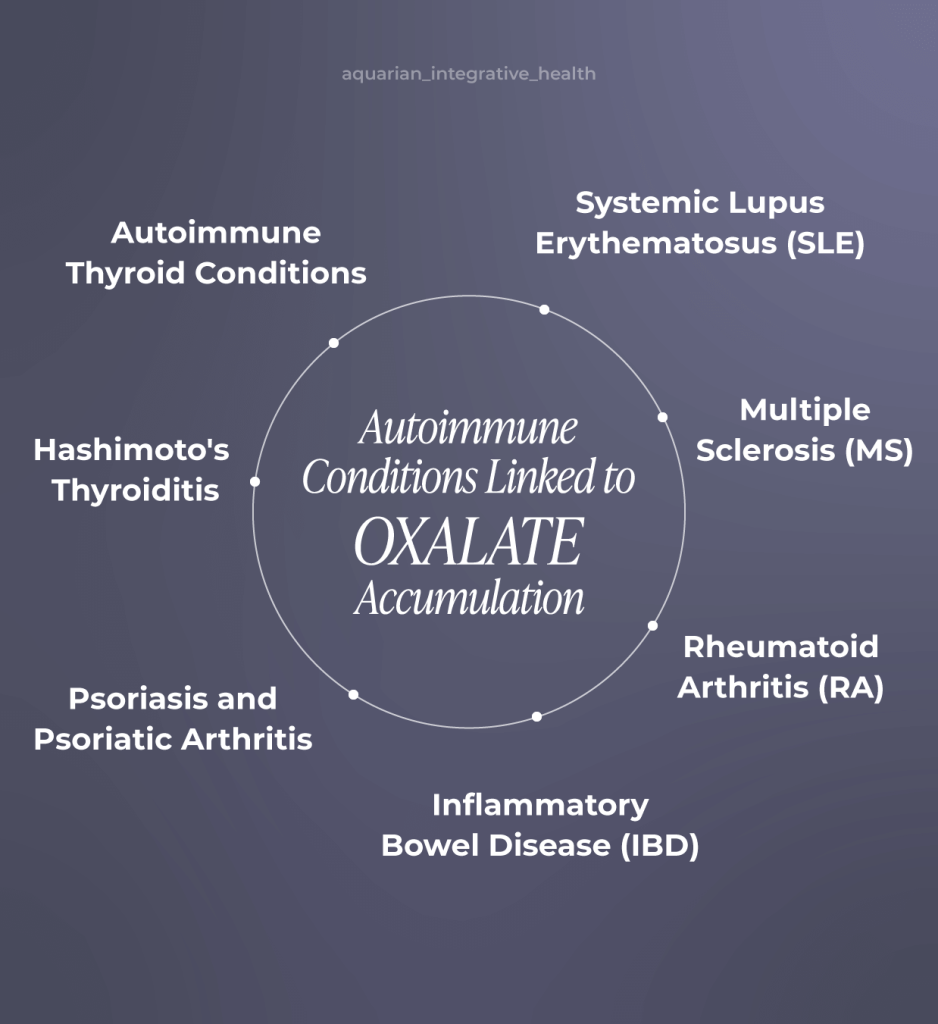
Mycotoxins are toxic compounds from mold that often contaminate everyday foods like grains, nuts, coffee, and dried fruits. Research shows they can damage gut health, disrupt immune function, and even mimic human tissue, potentially triggering autoimmune diseases such as Hashimoto’s thyroiditis, rheumatoid arthritis, lupus, and multiple sclerosis. In this article, you’ll learn what mycotoxins are, how they contribute to autoimmunity, the most common types, and the signs of exposure. We’ll also cover testing methods like urine mycotoxin panels and blood markers, as well as natural remedies such as propolis, activated charcoal, and milk thistle. If you’ve experienced fatigue, brain fog, or unexplained autoimmune flare-ups, understanding the role of mycotoxins could be the missing link to recovery.

Blog

The Hidden Link: How Parasitic Infections May Trigger Autoimmunity

The Hidden Link: How Parasitic Infections May Trigger Autoimmunity Share KEY NOTES Parasitic infections can trigger autoimmune conditions through mechanisms including molecular mimicry, epitope spreading, and disruption of immune tolerance Specific autoimmune diseases show strong connections to particular parasites – including Hashimoto’s thyroiditis (Blastocystis), Multiple Sclerosis (Toxoplasma), and Inflammatory Bowel Disease (Cryptosporidium) Conventional testing often misses parasitic infections that may be driving autoimmune processes, requiring advanced diagnostic approaches The need for an integrative protocol as it is not just about removing parasites; the terrain of the body must be healed from stressors including heavy metal toxicity, EMF exposure, and nervous system dysregulation Treating parasitic infections can lead to significant improvements in autoimmune conditions previously considered irreversible The parasite-autoimmunity connection exists on a spectrum from parasites that trigger autoimmunity to certain helminth species that may actually suppress autoimmune reactions A comprehensive treatment approach must address both the parasitic infection and the resulting autoimmune dysregulation to achieve lasting results Introduction: The Overlooked Connection Throughout my years of clinical practice, I have always highlighted the importance of remediating parasitic infections for optimal health. When it comes to autoimmunity, I’ve witnessed a phenomenon that remains largely unacknowledged in conventional medical circles: the profound improvement of supposedly “incurable” autoimmune conditions following the successful treatment of parasitic infections. This overlooked connection represents not merely an interesting correlation, but a fundamental key to understanding the very origins of autoimmunity itself. The global rise in autoimmune diseases has reached critical levels. When the body’s immune defenses mistakenly target its own tissues, the results are devastating from the joint destruction of rheumatoid arthritis to the neurological damage of multiple sclerosis, from the intestinal ravages of Crohn’s disease to the systemic inflammation of lupus. While the genetic components of these conditions have been extensively studied, genetics alone cannot explain their alarming increase. The reality is our environment has become increasingly toxic and our bodies are paying the price.Among the environmental triggers deserving specific attention, parasitic infections stand out with particular significance. These stealth invaders from microscopic protozoa to tissue-dwelling worms possess sophisticated mechanisms to manipulate our immune systems, potentially turning our immune systems against us through molecular mimicry, chronic inflammation, and disruption of immune regulatory pathways.What I’ve observed clinically for years, and what emerging research confirms, is that when we properly identify and address these hidden parasitic infections using advanced testing methods and comprehensive treatment protocols, many patients experience what conventional medicine would consider impossible, actual improvement and even remission of autoimmune conditions previously deemed progressive and irreversible.It is crucial to understand, however, that this is not as simplistic as “remove the parasites and you are healed of your autoimmune disease.” Autoimmunity emerges from a broken biological terrain where multiple factors converge. Most patients harbor several concurrent dysfunctions from nutrient deficiencies and toxic exposures to hormonal imbalances and emotional trauma. This is precisely why a comprehensive approach is essential: parasites represent a potent and frequently overlooked trigger but addressing them must occur within a broader healing strategy that resolves the full spectrum of stressors perpetuating immune dysregulation. The Evidence: Recent Research Findings The scientific understanding of how parasites influence autoimmunity has advanced significantly in recent years. Multiple studies have demonstrated compelling evidence for this connection: A 2023 meta-analysis published in Frontiers in Immunology examined 42 studies and found that patients with autoimmune thyroid diseases had a 3.1-fold higher prevalence of Blastocystis infection compared to healthy controls (Petrova et al., 2023). Research in the Journal of Neuroimmunology (Moshref et al., 2024) discovered that 31.8% of multiple sclerosis patients showed serological evidence of prior Toxoplasma gondii infection versus 14.2% in the control group, suggesting a significant association (adjusted OR: 2.74, 95% CI: 1.79-4.21). A longitudinal study following 1,246 individuals over eight years found that those with detectable parasitic infections were 2.9 times more likely to develop an autoimmune condition, with the strongest associations seen with rheumatoid arthritis and inflammatory bowel disease (Nakamura et al., 2022). Molecular analysis published in Nature Immunology identified specific parasite-derived proteins that share structural homology with human tissue antigens, providing direct evidence for molecular mimicry as a triggering mechanism (Rodriguez-Sosa et al., 2024). A 2023 study in Science Translational Medicine demonstrated that eradication of Blastocystis hominis in Hashimoto’s thyroiditis patients led to a mean reduction of 46% in thyroid antibody levels over 12 months, compared to just 7% reduction in the control group (Kim et al., 2023). These findings are just the tip of the iceberg to show that there is substantial evidence that parasitic infections can trigger, exacerbate, or modify the course of autoimmune diseases through various immunological mechanisms. Red Flags: Signs Your Autoimmune Condition May Have Parasitic Origins The following clinical patterns often suggest a parasitic component to autoimmune conditions. If any of these sound familiar it is possible parasites are playing a role in your health and autoimmunity. 1. Cyclical Symptom Patterns Symptoms that worsen on a monthly cycle, often correlating with lunar phases Flare-ups that occur every 2-4 weeks with periods of improvement between Symptoms that intensify after full or new moons (when many parasites increase reproductive activity) 2. Digestive-Immune Correlation Autoimmune flares that consistently follow digestive disturbances Development of autoimmunity after an acute gastrointestinal infection Simultaneous improvement in both digestive and autoimmune symptoms with dietary changes 3. Unusual Laboratory Findings Fluctuating autoimmune antibodies without clear triggers Eosinophilia (elevated eosinophils) without allergic conditions Iron deficiency resistant to supplementation Elevated IgE antibodies without allergic history Vitamin B12 deficiency despite adequate intake and supplementation 4. Treatment Response Patterns Temporary improvement with antibiotics, followed by worsening symptoms Paradoxical reactions to probiotics or fermented foods “Herxheimer” or die-off reactions with certain herbs or supplements Improvement in autoimmune markers during fasting or cleansing protocols Autoimmune symptoms that worsen initially with antiparasitic herbs 5. Neurological-Immune Connection Concurrent neurological and immunological symptoms Cognitive issues that fluctuate with autoimmune markers Unexplained sensory disturbances (tingling, numbness) alongside autoimmune symptoms Sleep disturbances that correlate with immune flares 6. Geographic and Temporal Associations Onset of autoimmunity following international travel Symptoms that began after known

Pesticides free, Fresh organic vegetables including cabbage, daikon radish, potatoes, butternut squash, mushrooms, and bell pepper in a cardboard box on a rustic wood table, representing pesticide-free whole foods for autoimmune health.
Blog

The Hidden Connection: How Pesticides in Our Food May Trigger Autoimmune Conditions

If you’re working to heal your immune system, what you eat matters, but just as important is what’s hiding on what you eat. In this piece, we explore how pesticide residues in everyday produce can damage your gut lining, disrupt your microbiome, and quietly drive autoimmune conditions. And more importantly, what you can do about it, starting with the food on your plate.

Scroll to Top
Root Cause Quiz

Let’s explore what may be standing in the way of your healing, and identify the pattern your body is asking you to see.